
Key Takeaways
- Differentiate between healthy creative challenges and overwhelming workloads to maintain a sustainable pace.
- Understand how children’s classes focus on process over outcome to foster long-term interest.
- Identify the importance of selecting a workshop level that matches your current skill set to avoid frustration.
- Learn how to integrate your workshop projects into a balanced lifestyle that prioritises enjoyment over perfection.
Introduction
Enrolling in a specialised crafts workshop in Singapore has become a popular way to decompress after a long week of corporate or academic demands. Whether you are looking for an adult course or a children’s art class, the key to success lies in understanding the balance between discipline and play. By approaching your artistic journey with the right mindset, you can ensure that your time in the studio remains a source of joy rather than a chore.
Setting Realistic Creative Expectations
When you join a crafts workshop in Singapore, it is natural to want to create something worthy of an Instagram feed immediately. However, complex crafts like pottery, leatherworking, or intricate painting require a foundational period where the results might not meet your initial vision. Consistency is maintained when you celebrate the small victories rather than focusing solely on the final product. Recognising that the first few attempts are meant for learning helps lower the stakes.
The Role of Play in Children’s Education
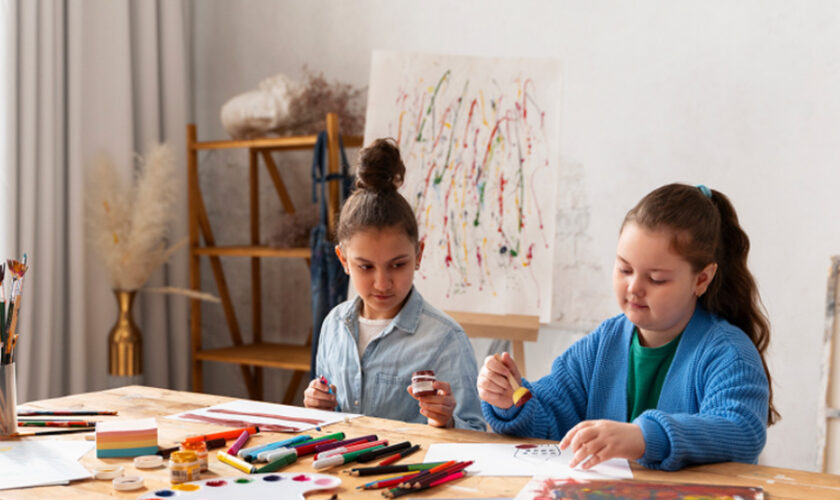
When we look at a successful children’s art class, we see a heavy emphasis on exploration and sensory engagement. Children are focused on the squish of the clay or the vibrant spread of the paint. Adults can learn a significant lesson from this approach to avoid burnout. In specialised workshops, instructors often try to reintroduce this sense of play to adult learners to keep them engaged. If the environment becomes too rigid or focused on strict grades, the creative spark can easily be extinguished.
Choosing the Right Level of Challenge
Burnout often stems from a lack of progress or, conversely, from taking on a challenge that is too steep too soon. A reputable crafts workshop in Singapore will offer tiered levels that allow participants to build their confidence gradually. This sense of achievable challenge triggers the release of dopamine, which encourages us to return to the task. Before signing up, speak with the coordinators to ensure the curriculum aligns with your current experience level.
Integrating Creativity into a Busy Schedule
Consistency is often a logistical challenge rather than a lack of motivation. Some people find that shorter, more frequent sessions work better, while others prefer a long, immersive weekend workshop once a month. The key is to find a rhythm that complements your existing lifestyle. If you force yourself to attend a class when you are physically exhausted, your brain will start to associate the craft with fatigue. Listen to your own energy levels and be willing to adjust your schedule to keep the experience feeling like a treat.
The Importance of Professional Mentorship
Trying to learn a complex craft solely through digital tutorials can be a lonely and confusing process. Attending a workshop provides the benefit of real-time correction and encouragement from a professional. A good mentor knows when to push you to improve and when to tell you to step back and take a break. Having someone who acknowledges your progress and understands your struggles makes the journey feel shared.
Focusing on the Process Over the Outcome
The most consistent participants in any crafts workshop in Singapore are those who have detached themselves from the need to produce a masterpiece every time. They find value in the rhythmic motion of the tools and the quiet focus of the studio. When the act of creating is its own reward, burnout becomes almost impossible because you are always getting what you came for.
Creating a Sustainable Home Practice
While workshops provide the tools and guidance, the most consistent artists are those who find ways to keep the momentum going between sessions. This allows you to practice the skills you learned in your crafts workshop in Singapore without it becoming a major production. For children, having a dedicated drawer of supplies can encourage them to apply what they learned in their children’s art class whenever inspiration strikes.
Conclusion
Consistency in any creative endeavour is about managing your emotional and physical energy. By choosing the right crafts workshop in Singapore and approaching it with a mindset of play and patience, you can turn a simple interest into a lifelong passion. Whether you are guiding a child through their first children’s art class or tackling a complex new craft yourself, the goal is to keep the flame of curiosity alive.
Find your creative rhythm in a supportive environment that values your growth as much as your art. Consult with Kaleida Studio to find the perfect programme for you or your child today.