







close

Tutoring

Tutoring

What an Obstacle Course Reveals About Teamwork

What an Obstacle Course Reveals About Teamwork

Key Highlights

  • Team challenges highlight the importance of communication and trust.
  • Obstacle courses encourage collaboration under pressure.
  • Shared achievements strengthen workplace relationships.
  • Outdoor activities reveal leadership and problem-solving abilities.

Introduction

Strong teams do not develop through meetings alone. Effective collaboration often emerges when individuals face challenges together, make decisions under pressure, and work towards a common objective. Activities that place participants in unfamiliar situations can reveal strengths that remain hidden during everyday work.

Many organisations incorporate company team-building activities into their development programmes because they encourage practical teamwork. Among the available options, obstacle courses for adults provide a unique environment where communication, cooperation, and adaptability become essential for success. Every obstacle presents an opportunity to observe how teams interact and grow.

Communication Becomes Essential for Success

Effective communication is often the difference between success and failure when navigating physical challenges. Team members must share information clearly, listen actively, and coordinate actions to overcome obstacles efficiently. Instructions, encouragement, and strategic discussions become valuable tools throughout the experience.

When designing strategic corporate events that break down communication barriers and foster better workplace interactions, company team-building packages provide highly visible collaborative environments. Obstacle-based activities place participants in situations where immediate team communication directly influences outcomes. Participants must exchange ideas continuously to progress.

Furthermore, outdoor obstacle courses for adults create natural opportunities for direct conversation. Participants quickly realise that individual effort alone is rarely enough. Success depends on the ability to support one another and maintain complete clarity while facing unfamiliar physical challenges.

Trust Develops Through Shared Challenges

Not every leader holds a management title. Challenging environments often reveal individuals who can motivate others, remain calm under pressure, and guide teams towards effective solutions. Obstacle-based activities provide an ideal setting for such positive qualities to emerge.

When looking to build resilience and introduce adults to highly engaging fitness environments, physical obstacle courses for adults deliver unique leadership scenarios. Participants must assess demanding situations, identify viable solutions, and adapt when initial movement strategies fail completely.

When groups gather outside traditional office spaces to tackle complex physical tasks together, strategic company team-building events frequently highlight these natural communication skills. Observing these diverse interactions helps teams recognise valuable individual strengths that benefit future workplace projects.

Leadership and Problem-Solving Naturally Emerge

Not every leader holds a management title. Challenging environments often reveal individuals who can motivate others, remain calm under pressure, and guide teams towards effective solutions. Obstacle-based activities provide an ideal setting for such positive qualities to emerge.

When groups gather outside the traditional office layout to tackle complex physical tasks together, company team-building events frequently introduce scenarios requiring strategic thinking. Participants must assess situations, identify solutions, and adapt when initial plans fail. Such moments encourage creative problem-solving and decision-making.

Similarly, diverse obstacle courses for adults showcase completely different leadership styles. Some individuals lead through clear direction, while others contribute by offering encouragement. Observing these natural interactions helps teams recognise valuable strengths that benefit future workplace projects.

Shared Achievements Strengthen Team Connections

Completing a difficult challenge together often creates lasting memories. Shared experiences encourage positive interactions and help colleagues develop stronger personal connections outside their usual work environment. Employees who rarely collaborate may discover common interests during these adventures.

When looking for interactive outdoor methods to enhance employee morale and boost engagement levels, company team-building sessions provide excellent neutral territory. Established teams can strengthen existing bonds through collective physical achievement. Every completed challenge becomes a shared success that improves the office atmosphere.

Moreover, modern obstacle courses for adults provide numerous opportunities for mutual celebration. Participants often return to the workplace with stronger connections, improved understanding of one another, and a much greater appreciation for the ultimate value of teamwork.

Conclusion

Teamwork becomes easier when individuals understand how to communicate, trust, and support one another. Obstacle-based challenges provide practical opportunities to develop these skills while creating memorable shared experiences. Through company team-building activities, teams can strengthen relationships, discover hidden strengths, and develop the collaborative mindset needed to succeed both during challenges and in the workplace.

Contact Forest Adventure to transform routine corporate outings into unforgettable adventures that naturally break down workplace barriers.


read more
Tutoring

Why Students Benefit From Professional Math Tuition in Hougang

Why Students Benefit From Professional Math Tuition in Hougang

Key Highlights

  • Professional tutors provide personalised attention that addresses specific learning gaps.
  • Attending a local centre fosters a structured environment conducive to deep concentration.
  • Specialised curriculum alignment ensures students stay ahead of their school syllabus.
  • Targeted practice sessions help students build the confidence needed for national examinations.

Introduction

Mathematics is one of the most challenging subjects for students in Singapore. From the abstract logic of algebra to the intricate visualisations required for geometry, the syllabus demands consistent effort and mental agility. While many students attempt to navigate these academic waters alone, an increasing number of families are turning to external support to secure better outcomes. Finding a reputable tuition centre in Hougang can make a significant difference in a child’s educational journey. By stepping out of the traditional school environment and into a specialised learning space, students gain access to resources and teaching methodologies that demystify complex numerical concepts.

Personalised Learning and Targeted Support

One of the primary reasons parents seek out math tuition in Hougang is the high level of personalised attention available in smaller group settings. In a typical school classroom, a single teacher must manage thirty or forty students, making it nearly impossible to address every individual doubt or misconception. A professional tutor, however, can identify the specific areas where a student struggles, whether it is the fundamental logic of fractions or the more advanced applications of calculus.

This targeted approach ensures that no student is left behind. Tutors can adapt their pace to match the learner’s needs, offering alternative explanations that resonate more effectively than standard textbook definitions. By focusing on each individual’s unique learning style, these sessions transform mathematics from a source of anxiety into a manageable and even enjoyable subject. This bespoke guidance is essential for building the foundational knowledge required for long-term academic success.

Structured Environment and Curriculum Mastery

Enrolling in a tuition centre in Hougang provides students with a structured environment that is free from the distractions often found at home. The psychological shift that occurs when a student enters a dedicated learning space allows for deeper focus and more productive study sessions. Within these centres, the curriculum is meticulously planned to align with the latest Ministry of Education standards, ensuring that every lesson remains relevant to what is being taught in school.

Professional tutors often stay one or two chapters ahead of the school syllabus. This proactive strategy allows students to encounter new topics in a supportive environment before they are introduced in class. Consequently, when the teacher presents the material at school, the student already possesses a baseline understanding, which boosts their confidence and participation. This head start is crucial in maintaining a competitive edge and ensuring students do not feel overwhelmed when new, complex topics are introduced during the term.

Development of Critical Exam Techniques

Subject knowledge is only one half of the equation when it comes to achieving top marks; the other half is exam technique. Even the brightest students can struggle if they do not know how to manage their time effectively or interpret trick questions under pressure. During math tuition in Hougang, tutors place a heavy emphasis on these practical skills. They provide students with a wealth of past-year papers and mock examinations, simulating the high-stakes environment of real assessments.

Through consistent practice, students learn how to break down complex word problems and identify the specific mathematical operations required. Tutors share shortcut methods and checking techniques that help students avoid careless mistakes. This rigorous preparation transforms the way students approach their papers, teaching them to work both accurately and efficiently. By the time the final exam arrives, the student is not just familiar with the content but also mastery-level strategies for tackling any problem that comes their way.

Building Academic Resilience and Confidence

Perhaps the most significant benefit of professional mathematics coaching is the boost in morale it provides. When a student consistently struggles with numbers, their self-esteem can take a hit, leading to a fixed mindset where they believe they are not good at math. A professional tutor works to dismantle this belief by celebrating small victories and providing constant encouragement. As the student begins to grasp difficult concepts and sees their grades improve, their mindset shifts toward one of growth and resilience.

This newfound confidence often extends beyond the mathematics classroom, positively impacting the student’s overall approach to education. They become more willing to ask questions, more persistent in the face of difficult challenges, and more motivated to excel across all subjects. The supportive atmosphere of a dedicated learning centre fosters a sense of community among peers, where students can share tips and motivate one another. Ultimately, the right support system turns academic hurdles into stepping stones for future success.

Conclusion

Achieving excellence in mathematics requires more than just rote memorisation; it demands a deep understanding of logic and a strategic approach to problem-solving. By choosing a professional tuition centre in Hougang, families invest in an environment that prioritises individual growth, curriculum mastery, and exam readiness. These benefits go far beyond immediate grade improvements, equipping students with the cognitive tools and confidence they need for their future academic and professional lives.

Ready to help your child excel? Contact The Classroom today to find the perfect programme for their needs and secure their academic future.

read more
Tutoring

The Most Efficient Way to Master Language Skills With Affordable English Tuition

The Most Efficient Way to Master Language Skills With Affordable English Tuition

Key Takeaways

  • Consistent practice and professional feedback are the most reliable ways to improve linguistic accuracy and confidence.
  • Quality education should be accessible to all students regardless of their background to ensure equal opportunities for success.
  • Mastering English involves developing critical thinking and comprehension skills that go far beyond basic grammar.

Introduction

Language is the foundation of almost all academic learning, making it a critical subject for students to master early in their educational journey. For many families in Singapore, finding affordable English tuition is the first step toward ensuring their children can communicate effectively and perform well in national examinations. A strong command of the English language opens doors to better opportunities in higher education and the professional world. By focusing on a structured approach to learning, students can build a robust vocabulary and a deep understanding of complex sentence structures.

Building a Strong Foundation Early

The earlier a student begins to focus on their language skills, the easier it becomes for them to handle more complex subjects later on. Primary education sets the stage for everything that follows, and English is often the medium of instruction for mathematics and science. When a child receives regular guidance, they learn to avoid common grammatical pitfalls and develop a more sophisticated writing style. This early intervention ensures that they do not fall behind their peers and remain confident in their ability to express their ideas clearly and persuasively.

The Role of Professional Guidance

While parental support at home is valuable, the expertise of a trained tutor can provide insights that are often missed in a casual setting. Tutors who specialise in the local curriculum understand the specific requirements of the examiners and can teach students how to meet those criteria. They provide a safe environment for students to practice their oral communication and receive constructive feedback on their written work. This focused attention helps to identify individual weaknesses and address them before they become ingrained habits that are difficult to correct later.

Developing Critical Thinking Skills

English tuition is not just about memorising word lists or grammar rules; it is about learning how to think. Modern examinations require students to analyse texts, infer meanings, and evaluate arguments. A good tuition programme will challenge students to look beyond the surface of a story or an article. By engaging in discussions and debates, students learn to form their own opinions and support them with evidence. These skills are transferable to many other areas of life and are highly valued by future employers and academic institutions.

ALSO READ: Tips to Help Your Child Ace Their English Comprehension Exams

Making Quality Education Accessible

Many parents worry that high-quality academic support comes with an unreachable price tag. However, the focus should be on the value provided by the curriculum and the dedication of the teaching staff. Finding affordable English tuition allows families to provide their children with the extra help they need without causing financial strain. It is about finding a balance between effective teaching methods and a sustainable commitment to a child’s education. When education is accessible, more students have the chance to reach their full potential and contribute positively to society.

Conclusion

Investing in language skills is one of the most beneficial decisions a parent can make for their child’s future. The ability to speak and write well is a lifelong asset that provides a competitive edge in any field. By seeking out affordable English tuition, you ensure that your child receives the guidance necessary to navigate the challenges of the school syllabus. Success in language learning is a gradual process, but with the right support and consistent effort, every student can achieve mastery and move forward with confidence.

Contact Curion Education Centre to find out more about our programmes.

read more
Tutoring

Why Skimping on Drone Education Could Be Ruining Your Professional Goals

Why Skimping on Drone Education Could Be Ruining Your Professional Goals

Key Takeaways

  • Operating a drone commercially without the proper certification can lead to significant legal penalties and fines.
  • Professional training provides critical knowledge of aviation law and emergency protocols that hobbyist guides miss.
  • Certified pilots are more attractive to employers in high-stakes industries like construction and logistics.

Introduction

The drone industry is currently experiencing a massive boom, with Unmanned Aircraft (UA) being used for everything from cinematic filming to complex site inspections. Many enthusiasts assume that because they can fly a small recreational drone, they are ready for a professional career in the skies. However, the gap between hobbyist flying and commercial operation is vast and strictly regulated. Understanding how to get a UAPL licence in Singapore is the essential first step for anyone looking to turn their passion into a legitimate business. Without this official credential, you are limited to recreational activities and cannot legally provide services for hire or reward.

Looking at the Regulatory Landscape

One of the biggest hurdles for new pilots is the complex set of rules established by the Civil Aviation Authority of Singapore (CAAS). These regulations are designed to ensure the safety of the public and the integrity of the national airspace. A professional course will teach you about restricted zones, height limits, and the specific permits required for different types of operations. Trying to navigate these laws on your own can be confusing and risky, as even a minor oversight can result in severe legal consequences. Professional education provides the clarity and confidence needed to operate within the law at all times.

Mastering the Technical Fundamentals

While flying a drone might seem intuitive, operating heavy industrial equipment requires a much deeper level of technical proficiency. A comprehensive UAPL training programme covers vital topics such as aerodynamics, battery management, and radio communication. You will learn how to perform pre-flight checks and handle hardware failures without crashing your aircraft. This technical foundation is what separates a professional pilot from an amateur. Knowing how your machine functions under various weather conditions and in different environments ensures that you can complete assignments safely and efficiently, protecting both your equipment and your reputation.

Ensuring Safety and Risk Management

In the world of professional aviation, safety is the number one priority. Training programmes place a heavy emphasis in understanding how to get a UAPL licence in Singapore, on risk assessment, emergency procedures, and teaching you how to react when things go wrong. Whether it is a loss of GPS signal or a sudden change in wind speed, a certified pilot knows how to maintain control and land the aircraft safely. This level of preparedness is crucial when working on commercial sites where property and lives could be at risk. Employers and clients are much more likely to trust a pilot who can demonstrate a commitment to rigorous safety standards.

Boosting Career Opportunities

Having an official licence is not just about compliance; it is a powerful tool for career advancement. Many companies in the surveying, security, and media sectors now require their UA operators to be fully certified before they can be hired. By completing a recognised UAPL training programme, you prove to potential employers that you have the discipline and knowledge to handle high-value equipment. This certification serves as a mark of quality that sets you apart in a competitive job market. Investing in your education today paves the way for a stable and rewarding career in one of the most exciting technological fields of the modern era.

Conclusion

Finally, the choice to pursue professional certification is a choice to take your career seriously. The skills and knowledge you gain through formal training will serve as the foundation for all your future success in the air. By prioritising safety and regulatory compliance, you protect yourself from liability and open up a world of professional possibilities with a UAPL training programme. Taking the time to do things the right way from the start is the best investment you can make in your professional journey.

Contact Apollo Global Academy and find out more about our upcoming aviation courses.

read more
Tutoring

What To Do When Your Child Cries Before Lessons

What To Do When Your Child Cries Before Lessons

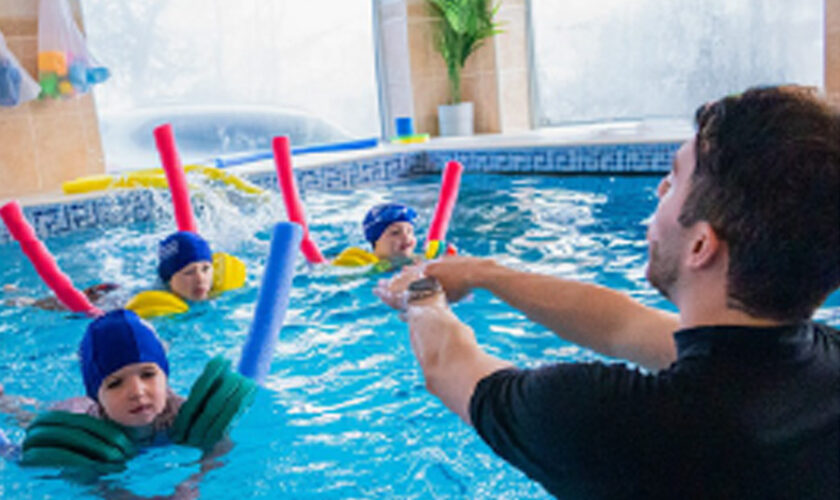
When a child cries before swimming lessons, it can feel like a punch in the stomach. You have planned the day, packed the bag, paid for sessions, and you are standing in reception with a child who suddenly wants to leave. Some parents feel embarrassed. Some feel frustrated. Most feel worried. They wonder whether they are doing the right thing, whether their child is ready, and whether lessons are causing harm.

I have seen this situation many times in pools across the UK. It is more common than people realise, especially with younger children and beginners. It does not always mean a child hates swimming. It often means something about the moment feels too much. The right response is not to force, and it is not to quit at the first sign of tears. It is to understand the cause and reduce the pressure. Many parents in this situation start searching for swimming lessons near me because they want an approach that is calm, structured, and child led rather than rushed. If you want an example of that kind of set up, you can start here: swimming lessons near me.

This post explains why children cry before lessons, what to do in the moment, what not to do, and how to help your child settle over time. The focus is on childrens swimming lessons only.

Why children cry before swimming lessons

Crying is a signal. It usually points to one of five root causes. Sometimes it is more than one at once.

Fear of the unknown

Many children cry because they do not know what is coming. Pools are loud and echoing. Water feels unfamiliar. Changing rooms feel busy. Children who do not feel in control often respond with tears.

A confidence wobble

Some children cry after they have been doing fine for weeks. Parents assume something has gone wrong. Often, the child has reached a new stage where they are asked to try something slightly harder. Putting the face in the water, floating with less support, moving away from the wall. The child becomes more aware of what the water feels like and fear spikes.

Sensory overload

Pools can overwhelm children who are sensitive to noise, cold air, bright lights, or busy spaces. The child may cope for a while, then reach a point where it feels too much. Crying becomes a release.

Separation anxiety

Some children cry because they do not want to separate from a parent. They may like water but dislike handing over control to an instructor.

Being tired, hungry, or rushed

This gets overlooked. A child who is tired, hungry, or rushed into the pool often cries more easily. Their emotional reserves are lower. Swimming demands effort and focus, and some children struggle if they arrive already stressed.

What to do in the moment

The first two minutes matter most. You want to lower the intensity, not raise it.

Start with calm body language. Speak slowly. Keep your face neutral, not worried. Children read your expression before they listen to your words.

Use short phrases like:

“I hear you.”
“You are safe.”
“We can take it one step at a time.”
“You do not have to do everything today.”

Avoid long explanations. A crying child cannot process them.

If possible, move the child to a quieter spot. Pool receptions are loud. The changing room can be busy. A quieter corner reduces stimulation and gives the child a chance to settle.

What not to do

A few common responses tend to make crying worse.

Do not threaten consequences.
Do not promise big rewards for getting in.
Do not argue or lecture.
Do not describe the child as silly or dramatic.
Do not compare them to other children.

These reactions add pressure and shame, which increase fear.

What to say that actually helps

Your aim is to give the child control over small steps. Control reduces fear.

Offer options that keep the lesson moving without making the child feel trapped. For example:

“We can walk in slowly.”
“You can start on the steps.”
“You can hold the wall first.”
“You can wear your goggles or not at first.”

These options do not change the long term goal, but they reduce pressure in the moment.

Give the instructor useful information

If your child cries, tell the instructor one simple fact, not a long story. A short message helps the instructor respond calmly.

Examples:

“She is worried about water on her face.”
“He felt cold last time.”
“She got upset in the changing room.”
“He is tired today.”

This allows the instructor to adjust the first few minutes of the session. Good instructors often start with familiar tasks to rebuild calm before attempting anything new.

If you want to see how a structured lesson approach is laid out, the session format described at swimming lessons is a helpful reference because it focuses on steady foundations and confidence first progression.

How long does it usually take to settle

This depends on the child, the environment, and the teaching approach. For many children, the first two or three lessons are the hardest. Once routine forms, crying reduces.

Some children cry for a few minutes at the start, then calm down once they are in the water. This is a key detail. If the child settles once the lesson begins, it often means the transition is the hard part, not swimming itself.

Other children cry through the whole session. In those cases, the lesson pace may be too fast, the environment too intense, or the child may need a different starting point.

Reduce pressure by redefining success

Parents often see success as staying in the lesson without crying. That is not always realistic at first. A better approach is to define success as a small step.

Success might be:

Walking into the pool area calmly.
Putting goggles on.
Sitting on the steps.
Holding the wall for two minutes.
Blowing bubbles once.

Small wins build trust. Trust is what reduces crying long term.

Build a calm pre lesson routine at home

Crying often starts before you arrive. A calm routine reduces the chance of an emotional spike.

Aim for a predictable pattern each week. Same snack time. Same leaving time. Same order of getting ready. Routines reduce uncertainty.

Avoid rushing. If you are stressed, your child will pick up on it.

If lessons are straight after school, consider whether the child needs a snack and water before leaving. Hunger is a common hidden trigger.

The changing room can be the problem, not the pool

Some children cry because they dislike the changing room environment. It is busy, noisy, and unpredictable. It may feel cold and damp. Children may feel exposed or uncomfortable.

If this seems likely, try:

Arriving earlier to avoid crowds.
Using a towel robe so the child stays warm.
Keeping language calm and minimal.
Having a simple plan such as shoes off, towel down, costume on, goggles ready.

Reducing stress in the changing room often reduces crying at poolside.

Do not make swimming a test

A child who fears being judged is more likely to cry. If parents ask too many questions after each lesson, the child may feel that swimming is a performance.

Keep post lesson conversations short. Ask about one positive thing. Avoid pressing for details about skills.

Examples:

“What felt easier today?”
“What was your favourite part?”
“Did you feel calm at the end?”

This frames swimming as learning, not passing.

When to consider a change

Most crying settles with time and the right support. Sometimes it does not, and it is sensible to reassess.

Consider whether:

The group size is too large for your child.
The pool is too noisy or cold.
The lesson pace is too fast.
Instructor changes are frequent.
Your child has a strong fear of face immersion that needs slower steps.

A different teaching environment can make a big difference.

If you are based locally and you are considering options for swimming lessons in Leeds, you can review local programmes at swimming lessons in Leeds. A clear, confidence led structure often helps children who struggle with transitions or early fear.

A simple way to think about crying

Crying before lessons does not mean swimming is wrong for your child. It usually means the transition into the pool environment needs support. Your job is to stay calm, reduce pressure, and keep expectations realistic.

Children learn water confidence in steps. Tears are sometimes part of those steps. With steady routine, patient instruction, and small wins, most children settle and go on to enjoy lessons.

If you stay calm and consistent, you give your child the best chance of turning that pre lesson fear into long term confidence.

read more
Tutoring

The Productivity Formula to JC Chemistry Tuition You Need to Know

The Productivity Formula to JC Chemistry Tuition You Need to Know

Key Takeaways

  • Productivity in JC Chemistry depends on strategy, not just study hours.
  • Structured JC chemistry tuition can sharpen focus and reduce wasted effort.
  • Chemistry tuition in Tampines offers consistency and accessibility that support routine.
  • Effective tuition improves exam technique, not only content knowledge.
  • Sustainable progress comes from guided practice and targeted feedback.

Introduction

Junior College Chemistry is often described as demanding, but the real challenge lies in managing its breadth and depth efficiently. Organic mechanisms, thermodynamics, kinetics, electrochemistry — the syllabus expands quickly, and so does the pressure. Many students respond by increasing study hours. Yet productivity is about direction. Taking JC chemistry tuition in Tampines can help students work smarter with a clear focus on boosting productivity in a sustainable way.

Boosting Productivity Through Structured Learning

Productivity begins with structure. JC chemistry tuition introduces a planned sequence of topics aligned with the national syllabus, ensuring that foundational ideas support advanced concepts. Structured small-group tuition can produce consistent academic gains, particularly when lessons are aligned with curriculum goals and delivered with clear feedback loops.

Chemistry tuition in Tampines adds a practical layer to productivity. When lessons are conveniently located, students are more likely to maintain regular attendance. Routine reduces decision fatigue and creates a steady rhythm of preparation. Over time, consistent sessions build incremental mastery.

Why Strategy Matters

Focused, goal-oriented sessions yield better retention than extended, unfocused study marathons. A student may spend three hours rereading notes on redox reactions yet struggle to apply the concept in structured questions. JC chemistry tuition addresses this gap by shifting emphasis from passive review to active recall and problem-solving.

Tutors guide students through unfamiliar scenarios, encouraging them to articulate reasoning. Chemistry tuition in Tampines integrates timed practices mirroring examination conditions. Productivity, therefore, becomes measurable: fewer careless errors, clearer explanations, and stronger command of structured responses.

Boosting Productivity with Targeted Feedback

In large lecture settings, feedback may be delayed or generalised. By contrast, JC chemistry tuition provides immediate, specific guidance. A tutor can pinpoint exactly where reasoning diverges from expectations and clarify distinctions using step-by-step comparisons. Timely and actionable feedback significantly enhances learning outcomes compared to broad commentary.

Chemistry tuition in Tampines supports this feedback loop consistently. Regular sessions create opportunities to revisit previously weak areas, track improvement, and refine examination techniques. Over time, students internalise patterns of error and learn to self-correct. Productivity improves not because students try harder, but because they understand better.

Turning Complexity into Clarity

JC Chemistry introduces abstract ideas that demand conceptual integration. Without a guided breakdown, topics may feel overwhelming. JC chemistry tuition simplifies complexity without oversimplifying content. Tutors deconstruct mechanisms into logical sequences, explaining why each step occurs rather than merely what happens.

When students grasp underlying principles, they adapt more confidently to unfamiliar examination questions. Chemistry tuition in Tampines can further enhance clarity by offering small-group discussions where students articulate reasoning aloud. Verbal explanation reinforces neural connections and reveals hidden uncertainties. Productivity increases as confusion decreases; clarity accelerates comprehension.

Boosting Productivity Through Exam Technique

Examination technique shapes outcomes significantly. Many capable students lose marks for incomplete explanations or misreading requirements. JC chemistry tuition emphasises examination literacy. Tutors analyse past-year questions, highlight recurring themes, and train students to decode phrasing accurately.

Chemistry tuition in Tampines incorporates simulated tests to build stamina and pacing. Practising under timed conditions conditions students to remain composed. Productivity manifests as improved efficiency: answering with precision rather than hesitation. As performance stabilises, confidence grows organically.

Consistency, Environment, and Momentum

A single productive session cannot compensate for inconsistent preparation. JC chemistry tuition fosters accountability. Scheduled lessons create checkpoints that maintain momentum even during busy academic periods. A dedicated tuition space minimises distractions common at home.

Chemistry tuition in Tampines provides a setting where focus becomes habitual. Over time, the brain associates the environment with concentrated effort, reinforcing productive behaviour. Moreover, regular tuition cultivates resilience. Challenging topics are addressed progressively.

Productivity as Confidence Management

When students perceive progress, motivation strengthens. Conversely, repeated confusion diminishes engagement. JC chemistry tuition bridges this psychological gap by translating effort into visible improvement.

Chemistry tuition in Tampines supports this transformation through structured milestones.

Short-term goals create measurable achievements. Each milestone reinforces belief in capability. Confidence, in turn, fuels further productivity. When students believe they can succeed, they invest effort more strategically. Tuition, therefore, becomes a framework for sustained confidence.

Conclusion

Boosting productivity in Junior College Chemistry demands structure, feedback, clarity, and consistency. JC chemistry tuition provides a focused pathway that transforms study hours into measurable progress. Chemistry tuition in Tampines adds accessibility and routine, supporting long-term discipline. By shifting from passive revision to guided problem-solving, from delayed feedback to immediate correction, and from reactive cramming to structured preparation, students reclaim control over their academic journey.

If you are seeking a more deliberate approach to mastering JC Chemistry, reach out to Mr Khemistry today.

read more
Tutoring

PSLE Chinese Composition: How Tuition Builds Stronger Story Structure

PSLE Chinese Composition How Tuition Builds Stronger Story Structure

Key Takeaways

  • Structured story planning helps students organise ideas into clear and logical composition flow.
  • Guided writing drills strengthen sequencing, pacing, and character development skills.
  • Vocabulary and dialogue training improve storytelling clarity and narrative engagement.
  • Timed practice and editing routines build exam discipline and writing confidence.

Introduction

A composition topic can feel like being handed a box of puzzle pieces without the picture on the lid. Many students imagine exciting scenes yet struggle to organise them into a story that makes sense from start to finish. Lessons conducted across Chinese tuition centres in Singapore train students to sort ideas before writing begins, helping them understand how events connect logically. Regular exposure to PSLE Chinese tuition gives learners repeated chances to test story flow, turning scattered ideas into organised narratives that exam markers can follow comfortably.

Building Clear Story Frameworks Before Writing

Planning Beginnings That Grab Attention

Readers tend to judge a story quickly based on how it opens. Jumping into random action or description can confuse the direction of the narrative. During sessions conducted in Chinese tuition centres in Singapore, students practise breaking down composition questions and identifying where a story should begin.

Teachers may encourage learners to imagine the setting as if they are directing a short film. Simple planning sketches, character notes, and emotion triggers guide students to construct openings that feel natural and purposeful. Playing with different starting angles also keeps stories fresh and avoids repetitive introductions.

Structuring Middle Sections That Keep Stories Moving

Storylines gather momentum in the middle paragraphs, where most events unfold. Losing track of sequence causes scenes to appear disconnected. Classroom writing exercises delivered through PSLE Chinese tuition train students to map out key turning points before they begin drafting.

Students practise linking actions using emotional reactions, consequences, and logical transitions. Timed writing drills encourage them to keep stories moving without rushing important details. Over time, learners develop instinctive pacing habits, allowing narratives to grow steadily while staying clear.

Creating Endings That Feel Complete

Stories lose impact when conclusions appear suddenly or drift away from the main message. Planning endings early encourages students to decide how conflicts resolve before writing begins.

Many learners practise reflection endings where characters respond to events or discover lessons through their experiences. Ending paragraphs that reconnect with the original storyline help compositions feel balanced and satisfying without sounding forced.

Strengthening Language Use Within Storytelling

Expanding Vocabulary Without Overcrowding Sentences

Language choices influence how clearly a story unfolds. Memorising impressive phrases sometimes leads to awkward sentence construction when learners struggle to apply them naturally. Writing activities guided by a Chinese tuition centre in Singapore expose students to vocabulary through story scenarios, encouraging usage that feels natural within the narrative.

Students frequently rewrite passages to experiment with alternative wording. Gradual exposure to descriptive expressions helps build confidence while preventing repetitive language patterns from appearing in compositions.

Using Dialogue to Develop Characters

Conversations inside stories create movement and emotional depth. Incorrect punctuation or flat dialogue can weaken storytelling flow. Practice sessions built into PSLE Chinese tuition encourage students to treat dialogue as a tool for revealing personality, tension, or humour.

Role-playing activities invite students to perform conversations aloud before writing them. Acting out scenes helps learners notice tone shifts and emotional cues, making written dialogue sound livelier and easier to follow.

Training Exam Discipline for Composition Success

Managing Time During Composition Papers

Strong storytelling depends on timing as much as creativity. Spending too long planning or editing may leave important ideas unfinished. Structured writing routines help students divide their attention between outlining, drafting, and reviewing.

Mock assessment practices organised across Chinese tuition centres in Singapore expose learners to real examination pressure. Repeated timed exposure trains students to stay calm while maintaining story structure under strict writing limits.

Reviewing Story Flow Through Editing Techniques

Revision strengthens story clarity. Reading drafts aloud or reviewing them slowly helps students detect missing details and unclear transitions. Proofreading strategies reinforced during PSLE Chinese tuition encourage learners to examine sentence flow, vocabulary accuracy, and storyline logic carefully.

Group discussions also play a useful role. Comparing compositions allows students to observe different storytelling methods and recognise how structure influences readability. Regular revision practice encourages responsibility for writing quality.

Conclusion

Well-structured storytelling helps ideas travel smoothly from introduction to ending. Students who practise planning, sequencing, and refining language develop greater control over their compositions during examinations. Guided writing lessons also nurture discipline, allowing learners to manage time without losing focus on narrative clarity. Consistent exposure builds familiarity with exam expectations while encouraging creative confidence.

Contact Choice Hua Sheng Education Centre today to explore structured composition training that helps students organise story ideas and build stronger PSLE writing techniques.

read more
Tutoring

How Science Tuition Supports Students Struggling with Complex Concepts

How Science Tuition Supports Students Struggling with Complex Concepts

Key Takeaways

  • Complex science topics often feel difficult because they are abstract and fast-paced in school settings
  • Science tuition in Singapore helps by breaking ideas into simpler, relatable explanations
  • Personalised pacing allows students to revisit weak areas without pressure
  • Regular practice in a supportive setting improves both confidence and exam readiness
  • Choosing the best tuition centre in Singapore means finding one that adapts to the student’s learning style

Introduction

Science can feel exciting one moment and completely baffling the next. One chapter makes sense, the next feels like a different language altogether. This is a common experience for many students in Singapore, especially when lessons move quickly and classrooms are packed. When complex ideas start piling up, confidence often drops before grades do. That is where targeted science tuition in Singapore can make a meaningful difference, not by rushing ahead, but by slowing things down at the right moments.

Why Some Science Topics Feel Harder Than Others

Certain science topics ask students to visualise things they cannot see. Think of chemical bonding, forces acting on objects, or how cells communicate. These ideas are abstract, layered, and often taught under tight timelines. In school, teachers do their best, but they have to keep pace with the syllabus.

Outside the classroom, distractions creep in, too. Mobile phones, CCAs, and exam pressure all compete for attention. Over time, small gaps in understanding turn into larger problems. A student may memorise formulas without truly grasping the logic behind them. That is usually when parents start considering science tuition in Singapore as additional support rather than a last resort.

Breaking Big Ideas Into Manageable Pieces

A good tutor knows that complex concepts rarely need more content. They need clearer explanations. Instead of repeating the same textbook phrases, tutors often reframe ideas using everyday examples. A physics concept might be explained using MRT rides. Chemical reactions might be compared to cooking steps at home.

This kind of reframing matters. It gives students something familiar to hold onto. Once the foundation feels steady, confidence starts to build again. Over time, students are more willing to ask questions, even the ones they think sound silly. That shift in mindset is often more valuable than any worksheet.

Learning At A Pace That Feels Human

School lessons tend to move fast. Tuition sessions do not have to. One of the biggest advantages of enrolling in the best tuition centre in Singapore is the flexibility to pause, revisit, and reinforce topics as needed. If a student struggles with one idea, the tutor can adjust immediately.

There is also room for small digressions. A tutor might briefly connect a lesson to current events, exam trends, or even how science shows up in daily life. These side conversations help learning feel less rigid and more real. They also make lessons feel less like drills and more like guided conversations.

Practice Without The Pressure

Many students understand concepts during lessons but freeze during tests. Tuition provides a safer space to practise without the fear of judgement. Mistakes are treated as part of the process, not something to hide.

Regular exposure to exam-style questions helps students spot patterns and common traps. Over time, they learn how to approach questions calmly, even when they look unfamiliar. This steady practice is one reason science tuition in Singapore is often linked to improved exam performance, especially for students who struggle with confidence.

Emotional Support Matters More Than It Sounds

Academic struggles often come with emotional weight. Students may feel frustrated, embarrassed, or simply tired of trying. A patient tutor can make a difference here, too. Encouragement, honest feedback, and small wins help rebuild trust in one’s own ability.

Interestingly, some students are resistant to tuition, only to later look forward to sessions. Once learning feels manageable again, motivation tends to follow. Parents often notice this shift at home, through better study habits or fewer last-minute panics before tests.

Choosing Support That Fits The Student

Not every tuition setup works for every child. Some thrive in small groups, others prefer one-to-one guidance. What matters is finding an environment where questions are welcomed, and explanations make sense. The best tuition centre in Singapore is often the one that adapts to the student, not the other way around.

When chosen thoughtfully, science tuition in Singapore becomes less about chasing grades and more about restoring clarity. Concepts stop feeling overwhelming. Lessons start to connect. And science, slowly, feels interesting again.

Conclusion

Struggling with complex science topics does not mean a student lacks ability. Often, it simply means they need explanations that match how they think and learn. With the right guidance, science tuition in Singapore can help students rebuild understanding, confidence, and curiosity at a steady pace. Contact Eton Academy and take the first step towards clearer learning and calmer exam seasons for your child.

read more
Tutoring

How Adults Improve Writing Without Costly Formal Degrees

How Adults Improve Writing Without Costly Formal Degrees

Writing well no longer belongs only to people with framed certificates on the wall. Many working adults want clearer emails, steadier reports, and fewer rewrites, yet the idea of enrolling in a full degree feels exhausting and expensive. There are quieter, more practical ways to sharpen writing without stepping back into a university hall. English writing classes for adults have become a realistic option for people who want to progress without academic pressure. Let’s explore how everyday learners strengthen writing skills while keeping careers, schedules, and budgets intact.

Focus on Usable Writing, Not Academic Perfection

One reason formal programmes feel heavy is their emphasis on theory. Essays, citations, and rigid formats rarely match daily work needs. English writing classes usually approach writing from a functional angle. Lessons centre on clarity, tone, and structure rather than academic debate.

This matters when writing forms part of daily tasks. A clearer sentence saves time. A well-shaped paragraph prevents confusion. English writing classes help learners practise these skills through realistic exercises such as rewriting unclear messages or tightening long explanations. Progress feels visible because improvements show up directly at work.

Over time, English writing classes help learners trust their voice. Instead of guessing how formal or friendly to sound, they learn how small wording choices shape meaning. That confidence grows through practice rather than grades.

Build Consistency Through Guided Routines

Improvement rarely comes from sudden inspiration. It grows from habits. Formal education schedules can feel overwhelming, while self-study lacks structure. English writing classes for adults sit between these extremes.

Regular sessions create a rhythm. Learners write, receive feedback, revise, and try again. English writing classes guide this process gently, without academic pressure. Feedback stays focused on clarity and reader understanding rather than red ink filling every line.

This structure helps learners stay engaged. Writing becomes part of a weekly routine rather than a task postponed until deadlines loom. English writing classes also encourage reflection, showing how earlier drafts improve with small adjustments. The sense of progress keeps motivation steady.

Strengthen Workplace Communication Through Targeted Courses

Midway through the learning journey, many adults realise their biggest challenge lies in email communication. Messages feel rushed, misunderstood, or overly cautious. A writing course addresses this exact problem.

An email writing course in Singapore focuses on tone, flow, and purpose. Learners practise subject lines, openings, and closing lines that feel natural yet professional. Through guided examples, an email writing course  shows how small changes prevent misinterpretation.

For professionals working across teams and time zones, this training proves practical. An email writing course helps learners write with intention rather than habit. Messages become shorter, clearer, and easier to act on. As confidence grows, email stops feeling stressful.

Many learners combine English writing classes for adults with an email writing course. The broader writing skills support overall clarity, while the targeted course sharpens daily communication.

Learn Alongside Peers With Similar Goals

Formal education can feel isolating for adults returning after years away. In contrast, English writing classes for adults usually attract learners from varied industries who share similar challenges. Discussions feel relatable rather than competitive.

Peer feedback plays a role here. Reading another learner’s draft helps identify issues in one’s own writing. English writing classes encourage this exchange in a supportive setting. Comments focus on clarity, flow, and reader experience.

An email writing course in Singapore also benefits from shared experiences. Learners discuss awkward situations, unclear instructions, and delicate messages. These conversations ground learning in daily reality. Writing improves through shared understanding rather than academic comparison.

Measure Progress Through Confidence, Not Credentials

The goal of writing improvement sits in daily ease, not framed certificates. English writing classes for adults help learners notice progress through fewer edits, clearer responses, and smoother conversations at work.

An email writing course in Singapore reinforces this shift. Learners feel calmer when drafting messages. They spend less time rewriting and more time focusing on content. Confidence replaces hesitation.

By choosing focused learning, adults improve writing without the financial strain or time commitment of formal degrees. English writing classes and an email writing course offer practical pathways that respect adult responsibilities.

Improving writing does not require returning to formal education. Progress grows from practical lessons, consistent routines, and relevant feedback. English writing classes for adults support clarity across tasks, while an email writing course sharpens daily communication. Together, they help learners write with ease, confidence, and purpose.

Contact United Language Centre to explore English writing classes or an email writing course in Singapore that fits your schedule and goals.

read more
Tutoring

6 Common Misconceptions About Secondary Chinese Tuition Choices

6 Common Misconceptions About Secondary Chinese Tuition Choices

Academic pressure around Chinese rarely arrives all at once at the secondary level. It builds gradually as texts become denser, writing expectations sharpen, and assessments demand interpretation rather than recall. Families often realise something has shifted when effort no longer translates cleanly into results. At that point, the search for a Chinese language centre in Singapore begins, driven by concern rather than long-term planning. Decisions about secondary Chinese tuition are then shaped by beliefs formed during primary school, even though the learning context has changed. These assumptions influence enrollment choices, expectations of improvement, and how progress is measured. When left unexamined, they do not prevent hard work, but they quietly cap how effective that work can be.

1. Secondary Chinese Tuition Is Only About Exam Preparation

A common assumption is that secondary Chinese tuition exists purely to prepare students for tests. This framing reduces the role of tuition to short-term score management. While assessments remain important, secondary-level Chinese places greater emphasis on comprehension depth, argument clarity, and precise expression. A Chinese language centre in Singapore typically supports exam readiness alongside language application, ensuring students can handle unfamiliar passages and varied writing prompts. When tuition revolves only around past-year questions, students may perform adequately in practice but struggle when assessment formats shift or language demands increase.

2. Students Who Did Well In Primary School Will Adjust Easily

Strong primary results often create confidence that adjustment will be smooth. In reality, the transition to secondary Chinese introduces longer texts, abstract themes, and stricter expectations for sentence accuracy. Vocabulary must be applied with nuance rather than recognition. Secondary Chinese tuition helps bridge this shift by reinforcing foundational language skills while introducing more complex structures. Assuming automatic adjustment delays intervention, allowing small gaps to widen even among students who previously performed well.

3. Listening And Oral Skills Matter Less In Secondary Years

As written components take on greater weight, some families deprioritise listening and oral practice. This creates an imbalance in language development. Listening comprehension supports accurate interpretation, while oral expression reinforces sentence rhythm and vocabulary recall. A Chinese language centre in Singapore integrates these components to strengthen overall competence. Secondary Chinese tuition that sidelines listening and speaking limits students’ ability to internalise patterns that support stronger writing and reading comprehension.

4. More Practice Papers Always Lead To Better Results

Practice volume feels tangible, which makes it an attractive measure of progress. However, repeated papers without targeted correction tend to reinforce existing habits rather than improve them. Secondary Chinese tuition is most effective when practice is paired with detailed analysis, feedback, and revision. A Chinese language centre in Singapore focuses on identifying why errors occur and how to correct them systematically. Without this approach, students may work harder while seeing little improvement, leading to frustration and fatigue.

5. Tuition Pace Should Match School Speed Exactly

Some parents expect tuition to mirror school pacing closely, believing alignment ensures relevance. This overlooks the role of reinforcement and clarification. School lessons often move quickly due to syllabus pressure, leaving limited time to address confusion. Secondary Chinese tuition may deliberately slow down certain areas to strengthen understanding before advancing. A Chinese language centre in Singapore adjusts pacing based on student needs rather than syllabus speed alone. Matching school tempo without adjustment risks carrying unresolved gaps forward.

6. Confidence Equals Mastery At Secondary Level

Visible participation is often mistaken for mastery. Some students speak confidently but struggle with composition structure or nuanced interpretation. Others appear reserved while processing language deeply. Secondary Chinese tuition evaluates progress through the quality of application rather than classroom presence alone. A Chinese language centre in Singapore tracks how students organise arguments, apply vocabulary accurately, and respond to textual demands. Equating confidence with competence can cause critical weaknesses to go unnoticed.

Conclusion

At the secondary level, Chinese learning becomes less about volume and more about control, precision, and adaptability. Tuition is most effective when it strengthens how students interpret, structure, and apply language across unfamiliar contexts. Viewing progress through this lens shifts attention away from surface activity toward sustained capability. This perspective allows secondary Chinese tuition to function as a stabilising academic support rather than a reactive response to pressure.

To learn more about selecting a Chinese language school in Singapore and how secondary Chinese instruction promotes long-term language proficiency beyond surface performance, get in touch with Tien Hsia Language School.

read more
1 2 3 4
Page 1 of 4