

close

March 4, 2026

Education

How Parents Can Use Chinese Textbooks to Support Learning at Home

How Parents Can Use Chinese Textbooks to Support Learning at Home

Key Takeaways

  • Create a short daily routine using textbook dialogues and reading to build confidence without overwhelming your child.
  • Use sticky notes and simple sentences to reinforce vocabulary at home and turn new words into everyday language.
  • Choose complete editions with audio and clear layouts to support pronunciation practice and smoother study sessions.
  • Combine reading, writing, listening, and speaking tasks to keep learning engaging and steadily improve comprehension.

Introduction

Practising Chinese at home can feel daunting at first, yet small, steady habits can turn uncertainty into confidence. A familiar textbook offers structure, while brief daily practice keeps progress moving forward. When lessons feel manageable, children engage with greater curiosity and less resistance. With patient guidance, study time becomes calmer, more interactive, and easier to sustain. When IGCSE books are used consistently, everyday moments can turn into opportunities for meaningful language use.

Build a Comfortable Learning Routine

A predictable rhythm helps children ease into study mode. Short sessions after school or before dinner maintain energy and prevent fatigue. Regular exposure builds familiarity, and even brief reviews reinforce recognition and recall.

Choosing the correct edition and format also supports smoother routines, an important consideration when deciding where to buy textbooks in Singapore. A clearly organised book reduces confusion and keeps lessons flowing.

Turn Textbook Dialogues into Real Conversations

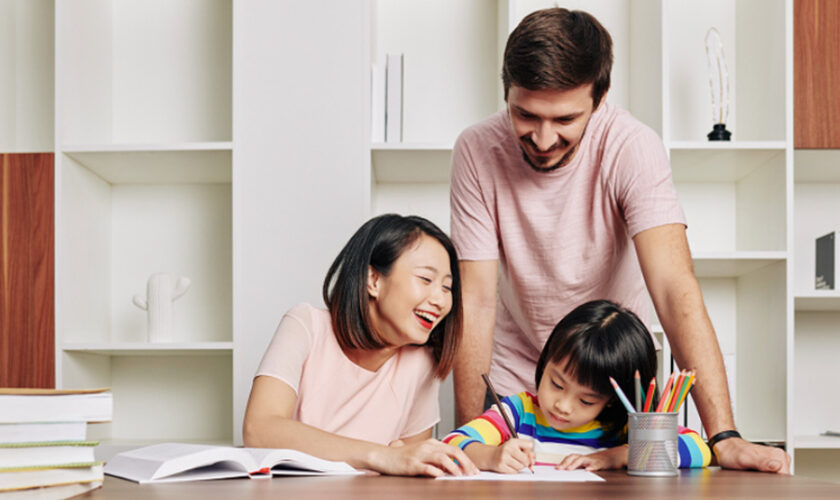
Dialogues provide ready-made speaking practice and remove the pressure of inventing sentences from scratch. Reading aloud together strengthens pronunciation while encouraging a natural speaking rhythm that mirrors everyday conversation. Parents can pause to explain tone changes, highlight useful phrases, or repeat tricky lines to build confidence.

Swapping roles during conversations adds variety and keeps children engaged, while acting out simple scenarios brings the language to life. Turning short exchanges into playful role‑play, such as ordering food or greeting a friend, helps children connect textbook language with real situations they recognise.

Strengthen Vocabulary Through Daily Use

Create Visual Word Reminders

Placing new words on sticky notes around the home encourages repeated exposure in meaningful settings. Labelling everyday objects transforms memorisation into active recall. Frequent encounters strengthen retention and familiarity.

Practise Through Simple Sentences

Encourage children to build short sentences using newly learned words. Speaking aloud builds confidence and reinforces grammar patterns. Linking vocabulary to real communication helps new words stick and makes Chinese easy to learn through everyday situations.

Use Reading Passages to Improve Understanding

Stories in textbooks introduce cultural themes and practical language. Reading together allows parents to clarify unfamiliar characters and phrases. Asking children to retell passages in their own words strengthens comprehension and recall.

Structured comprehension tasks reflect exam expectations, which is why families rely on IGCSE books for guided practice. Working through these exercises at home builds familiarity with question formats and improves clarity in responses.

Make Writing Practice Less Intimidating

Copying short passages helps children recognise stroke order and character structure. Gradually moving toward short compositions encourages independent expression. Gentle feedback keeps writing practice constructive and motivating.

Model exercises guide children in organising ideas clearly and make Chinese easy to learn when applying ideas in written work.

Reinforce Listening Skills with Audio Support

Audio recordings included with many textbooks strengthen listening accuracy and tone recognition. Playing short clips during car rides or quiet moments increases exposure without adding pressure.

Improved pronunciation and listening confidence often follow when parents explore resources through where to buy textbooks in Singapore and select materials with audio support.

Keep Motivation High Through Positive Reinforcement

Small rewards and encouragement maintain interest. Recognising effort and persistence helps children stay engaged. Celebrating progress builds confidence and encourages continued participation.

Children notice their improvement and remain motivated throughout the year when practice is reinforced with IGCSE books.

Create a Supportive Study Environment

A quiet, well-lit space minimises distractions and encourages focus. Keeping textbooks, notebooks, and writing tools nearby reduces interruptions and maintains flow.

A calm study area promotes concentration and builds a routine that makes Chinese easy to learn while confidence continues to grow.

Conclusion

Helping children practise Chinese at home does not require advanced language skills. Clear routines, active use of textbook content, and positive reinforcement create an environment where daily practice feels manageable. Consistency and suitable resources help learners build confidence while strengthening reading, writing, listening, and speaking abilities.

Contact IB Professional today to find the right textbooks for your child’s Chinese learning needs and build a reliable study foundation at home.
read more
Education

What Makes a Reggio Emilia Preschool Different from Traditional Early Learning

What Makes a Reggio Emilia Preschool Different from Traditional Early Learning

Key Takeaways

  • Reggio Emilia preschools focus on child-led exploration rather than fixed lesson plans.
  • Learning environments are treated as an active part of education, not just a backdrop.
  • Teachers act as guides, observing and extending children’s interests.
  • Compared with a traditional kindergarten in Singapore, the approach values process over worksheets and outcomes.

Introduction

Early childhood education in Singapore is often associated with structure, routines, and clear academic milestones. Many parents expect timetables, phonics workbooks, and neat progress reports. That expectation makes sense. A typical kindergarten in Singapore has long been shaped by school readiness and future academic demands.

Then there is the Reggio Emilia approach. It feels different almost immediately. Classrooms look less like rows of tables and more like creative studios. Conversations sound less scripted. Children appear busy, but not rushed. A Reggio Emilia preschool in Singapore often surprises parents who are used to conventional early learning models, sometimes in good ways, sometimes with questions.

So what really sets it apart?

Learning Starts With Curiosity, Not a Schedule

Traditional early learning usually begins with a plan. Teachers decide what children should learn that week, then build activities around those goals. The Reggio Emilia philosophy turns that sequence around.

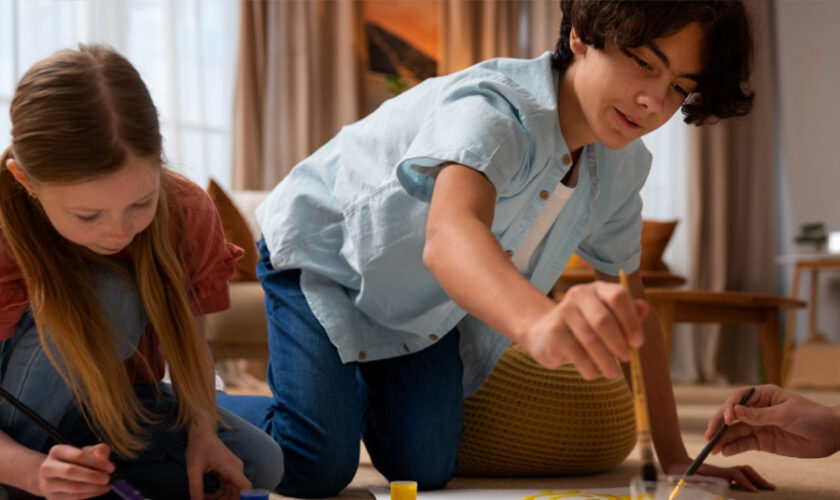
Here, learning begins with children’s curiosity. A question about shadows, water, or insects can grow into a week-long exploration. The topic is not chosen because it fits a syllabus, but because it matters to the children in that moment. This can feel slightly chaotic at first. Yet over time, patterns emerge. Skills develop naturally through discussion, drawing, measuring, and storytelling.

In contrast, a conventional kindergarten in Singapore often moves briskly from one topic to the next. Coverage matters. In Reggio-inspired settings, depth matters more.

The Classroom Is Not Just a Room

Walk into a Reggio Emilia preschool in Singapore, and the space itself feels intentional. Materials are open-ended. Natural textures appear everywhere. Displays show children’s thinking, not just finished artwork.

This idea of the environment as a “third teacher” is central. The space invites questions and collaboration. A mirror changes how a child sees a structure they built. Loose parts encourage experimentation. Even lighting and layout influence how children interact.

Traditional classrooms, by comparison, are usually designed for efficiency. Tables face the same direction. Materials are stored away until needed. There is nothing wrong with that, but it sends a quieter message about who controls learning.

Teachers Observe More Than They Instruct

In Reggio settings, teachers talk less than expected. They listen closely. They document conversations. They step in with questions rather than answers.

This does not mean children are left alone. Guidance is constant, just subtle. Teachers help children connect ideas, revisit earlier thoughts, and explain their reasoning. It is a professional role that requires patience and strong observational skills.

In many forms of kindergarten in Singapore, teachers are more visibly directive. Instructions are clear and frequent. Both styles aim to support learning, but they feel very different day to day.

Assessment Looks Different Too

Parents often ask how progress is measured. The answer can feel unfamiliar. Instead of worksheets or tests, Reggio Emilia preschools rely on documentation. Photos, transcripts of conversations, and project summaries show how thinking evolves.

This approach sometimes raises concern. Without grades, how can readiness be judged? The mild contradiction is that while formal assessment is lighter, the understanding of each child is often deeper. Teachers know not just what a child can do, but how they think and collaborate.

Over time, many families find this narrative-based insight more meaningful than scores alone.

Preparing Children for Singapore’s Reality

A common worry is whether a Reggio Emilia preschool in Singapore prepares children for primary school. The system later becomes structured, after all.

The approach does not ignore this reality. Instead, it builds foundations differently. Communication skills, confidence, adaptability, and problem-solving are practised daily. These qualities help children settle into more formal settings later, even if the transition requires adjustment.

Interestingly, some parents notice that children who once struggled with rigid tasks become more engaged learners once they understand why learning matters.

Conclusion

What makes the Reggio Emilia approach stand apart is not a rejection of structure, but a rethinking of it. Learning is organised around relationships, curiosity, and reflection rather than checklists. Compared with a traditional kindergarten in Singapore, the difference lies less in outcomes and more in the journey children take to reach them.

For families exploring a Reggio Emilia preschool in Singapore, the key question is comfort. Comfort with flexibility. Comfort with exploration. And comfort with trusting children to show who they are becoming.

To learn how this approach could support a child’s early years, get in touch with Apple Tree Playhouse to explore programmes, visits, or enrolment options.

read more