

close

April 2026

Education

How Waiting Lists Work and What Parents Can Do While Stuck in One

How Waiting Lists Work and What Parents Can Do While Stuck in One

Key Takeaways

  • Waiting lists move in bursts, so progress can feel slow even when changes happen behind scenes.
  • Quick response matters when offers arrive, since short deadlines can close opportunities fast.
  • Clear communication keeps your application visible without creating pressure or fatigue.
  • Backup plans give direction while waiting, helping decisions stay calm and grounded.

Introduction

Landing on a waiting list can feel like standing outside a full classroom while hearing lessons carry on behind the door, and that sense of pause pushes families to dig deeper into how affordable international schools in Singapore manage enrolment flow, shifting vacancies, and applicant queues across the year without giving clear timelines upfront.

Understanding Why Waiting Lists Exist

Limited Seats and Rolling Movement

Seats shift across the year as families relocate, delay plans, or accept offers elsewhere, which leads schools to maintain a queue that fills gaps quickly while keeping admissions organised under international school admission in Singapore, where intake cycles rarely align neatly with demand, and where even a single withdrawal can trigger a chain reaction of offers moving down the list in quick succession.

Priority and Internal Factors

Admissions teams look at things like year level demand, sibling connections, and how ready a student seems for the environment, so movement depends on internal priorities that are not visible from the outside, which is why the list can jump forward in bursts and leave parents trying to read between the lines while decisions happen behind closed doors.

What Happens While You Wait

Updates, Silence, and Timing

Weeks can pass with no updates, which gets frustrating, yet it simply means nothing has moved yet, and families stay in line until a place opens, which keeps focus on affordable international schools in Singapore where timing depends on decisions made by other families, so it can feel quiet on your end even while things move behind the scenes.

Staying Ready for a Short Window

Offer windows can appear suddenly and close quickly, so documents, payment plans, and decision-making need to stay prepared at all times, since hesitation could result in a missed opportunity that shifts the place to the next applicant in line, leaving little room for second thoughts once a place is released.

Practical Moves Parents Can Make

Keep Communication Open Without Overdoing It

Short, polite check-ins help keep your name familiar to admissions teams, and a clear message every few weeks keeps your application visible during international school admission in Singapore while avoiding pressure that could work against you, creating a rhythm of contact that feels present without becoming overwhelming.

Explore Parallel Options Without Panic

Looking into backup schools, temporary enrolment, or bridging plans helps reduce pressure, giving families breathing room while staying in the queue, which creates a sense of movement even when the waiting list itself feels static, and keeps decision-making grounded instead of reactive.

Reading the Signs and Managing Expectations

Interpreting Position and Progress

Some schools share rough positions while others remain vague, so parents rely on small hints in replies or timing patterns, which tie closely to demand levels seen across affordable international schools in Singapore and the specific year group applied for, giving indirect clues that help guide next steps.

Knowing When to Pivot

Extended waiting without change may point to limited turnover for a specific level, prompting families to widen their search or adjust timelines while keeping their current application active under international school admission in Singapore as a parallel option, ensuring progress continues even while one path remains uncertain.

Conclusion

Waiting lists place families in a space filled with uncertainty, yet clear preparation, calm follow-ups, and readiness for quick action can turn that pause into a managed process where decisions feel more controlled and less reactive.

Contact Middleton International School today to explore admission options, check availability, and move forward with a plan that fits your timeline.

read more
Education

What a Safe and Comfortable Nursery Environment Looks Like

What a Safe and Comfortable Nursery Environment Looks Like

Key Takeaways

  • Clear layouts and open spaces help children move freely and feel at ease during daily play.
  • Defined activity zones guide behaviour and make transitions between tasks smoother.
  • Safe materials and cosy areas keep children engaged while reducing risk during playtime.
  • Consistent routines and calm spaces help children manage emotions and settle into the day.

Introduction

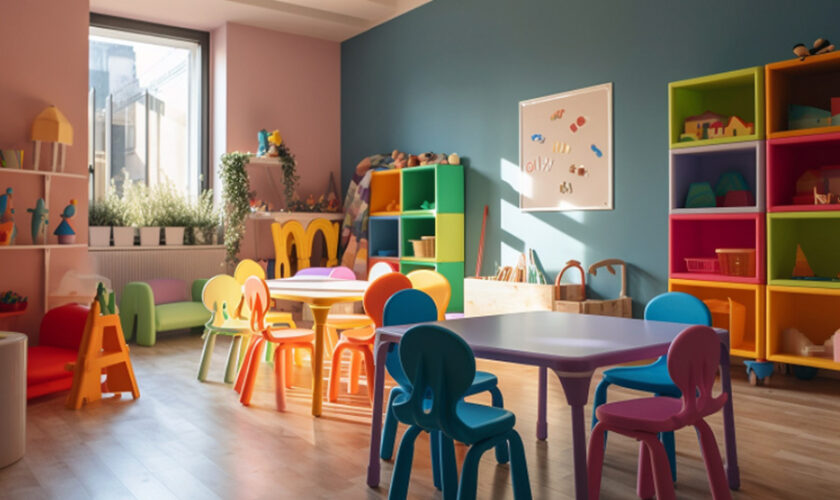
A nursery setting influences how children settle, move, and take part in daily activities. Comfort and safety work together in quiet ways, shaping how children respond to the space around them. Parents considering a nursery in Redhill, Singapore may notice that even small details, from furniture placement to lighting, guide how children explore without needing constant direction.

A Layout That Feels Easy to Navigate

Open Spaces Encourage Movement

Plenty of room to move helps children explore without hesitation, as clear pathways reduce bumps, stops, and confusion. A well-spaced layout gives children the freedom to move from one activity to another without disruption, while also helping them understand how to share space with others. Subtle structure within the room plays a part in early development, as children begin to recognise where they can go and what they can do in each area.

Defined Zones Keep Activities Clear

Distinct areas for reading, play, and rest make the environment easier to understand at a glance. Children begin to associate each space with a purpose, reducing the need for repeated instructions, and these zones, when seen in a nursery in Redhill, Singapore, guide behaviour in a natural way that keeps transitions smooth without drawing too much attention.

Materials That Are Safe and Comfortable

Child-Friendly Materials Reduce Risk

Furniture with rounded edges, stable structures, and materials suited for young children creates a space that feels safe without restricting movement. Items designed for smaller hands and bodies make interaction easier, keeping children engaged and reducing frustration during play.

Comfort Supports Longer Engagement

Comfortable seating, soft flooring, and inviting play areas encourage children to stay with an activity for longer stretches. A cosy corner or a well-padded mat can turn a short moment into a longer period of focus, contributing to early education as children spend more time exploring and interacting with what is around them.

Cleanliness and Daily Care Routines

Hygiene Keeps the Environment Reliable

Regular cleaning and well-maintained materials create a space that feels consistent day after day. Children move through activities with fewer interruptions when surfaces and shared items stay in good condition, making the environment easier to trust and engage with.

Consistent Routines Build Trust

Daily habits such as tidying up or washing hands create a rhythm that children begin to follow without reminders, and repeated actions within a nursery in Redhill, Singapore shape expectations in a quiet way, helping children take part in routines while building confidence in handling simple tasks.

Emotional Comfort Within the Space

Familiar Elements Create a Sense of Ease

Recognisable layouts, consistent setups, and familiar objects help children settle into their surroundings more quickly. A space that feels known reduces hesitation, making it easier to join activities and interact with others without second-guessing each step.

Calm Areas Offer a Quiet Reset

A designated quiet spot gives children the option to step away and regroup when needed, and these quiet corners in a nursery in Redhill, Singapore provide a gentle pause during the day, helping children manage their feelings before returning to group activities with a clearer focus.

Conclusion

A safe and comfortable nursery environment brings together thoughtful layout, suitable materials, and consistent routines to guide children through their day. Each element works quietly in the background, helping children explore, interact, and settle with ease while building confidence over time.

Check out KidsCampus today to learn how a well-planned nursery setting can shape your child’s daily experience in a steady and practical way.

read more
Education

4 Tips On How to Choose the Right Children’s Art Class in Singapore

4 Tips On How to Choose the Right Childrens Art Class in Singapore

Key Highlights

  • Choose an art and craft studio that values the creative process and individual expression over producing identical, cookie-cutter projects.
  • Seek out an art jam studio that offers a vibrant, safe, and uninhibited space where children feel comfortable making a mess in the name of art.
  • Look for mentors who facilitate rather than dictate, ensuring your child learns technical skills without losing their unique artistic voice.
  • Always opt for a trial class to observe the chemistry between the teacher and the students before committing to a long-term term or package.

Introduction

Singapore is absolutely teeming with enrichment centres, yet finding the right fit for your child’s imagination requires more than just a quick search for the nearest location. You want a space that feels less like a sterile classroom and more like a playground for the mind where “mistakes” are celebrated as part of the learning curve.

When scouting for an art and craft studio, the first thing you should notice is the energy of the room because a quiet, rigid atmosphere rarely breeds true innovation in young minds. If the walls are covered in diverse, messy, and colourful student work, you are likely in a place that respects the raw journey of creation.

1. Look for a Process-Oriented Curriculum

Many parents fall into the trap of choosing a school based on the polished masterpiece brought home at the end of the day, but that often means the teacher did most of the work. A quality art and craft studio will focus on “process art”, where the goal is exploring how different mediums behave rather than hitting a specific visual target.

You want your child to understand the squish of clay or the way watercolours bleed into one another because these sensory experiences build cognitive bridges. Ask the instructors if they allow students to deviate from the lesson plan if a child feels inspired to take their painting in a completely different direction.

2. Evaluate the Social Dynamics of an Art Jam Studio

Art shouldn’t always be a solitary endeavour, especially for children who are still developing their social cues and collaborative skills. A modern art jam studio provides a unique social lubricant where kids can observe their peers, share materials, and offer casual praise to the person at the next easel.

This relaxed environment is brilliant for building confidence because it removes the high-pressure stakes of “getting it right” that often haunt traditional school art programmes. When children see their friends experimenting with bold strokes, they feel empowered to take their own creative risks without the fear of being judged.

3. Check the Variety of Media Offered

If a studio only focuses on pencil sketching or acrylic painting, your child might miss out on the broader world of mixed media. The best art and craft studio options in Singapore will introduce kids to everything from recycled sculpture and fabric work to printmaking and digital illustration.

Exposure to diverse textures and tools helps children find the specific medium that resonates with their personality, which might not be the traditional paintbrush. You are looking for a venue that encourages “tinkering” as much as it encourages “art” because that intersection is where true problem-solving skills are born.

4. Observe the Instructor’s Teaching Style

The difference between a good class and a transformative one usually comes down to the person at the front of the room. During your visit to an art jam studio, watch how the staff interact with the smaller artists; do they hover and correct every line, or do they ask open-ended questions that prompt the child to find their own solution?

A great teacher acts as a guide who provides the technical “how-to” while leaving the “what” and the “why” entirely up to the student. If the instructor is more interested in the child’s story behind the drawing than the neatness of the borders, you have found a winner.

Conclusion

Choosing the right creative home for your little one is about balancing a fun environment with a curriculum that challenges their perception of the world. By prioritising the process over the product and finding a studio that offers a wide variety of materials, you ensure that art remains a joy rather than a chore. The right space will not only teach your child how to draw but will teach them how to see.

Reach out to Kaleida Studio today to discover our hands-on DIY art and craft space in Singapore, where every child is an artist in their own right. Let’s get messy and make something brilliant together!

read more
Education

Ways Secondary Students Can Improve Descriptive Writing

Ways Secondary Students Can Improve Descriptive Writing

Key Takeaways

  • Careful observation helps secondary students gather meaningful details and shape stronger descriptive paragraphs.
  • Choosing specific verbs and nouns gives writing clearer imagery and prevents descriptions from sounding plain.
  • Organised paragraph structure helps readers follow a scene smoothly from beginning to end.
  • Regular writing practice in English lessons helps students refine descriptive skills and sentence flow.

Introduction

Descriptive writing asks secondary students to turn ordinary moments into scenes readers can picture. Some students list details without forming a clear image, while others struggle to expand an idea beyond a few lines. Regular descriptive exercises at English tuition centres in Singapore help students change those habits and develop clearer descriptions.

Noticing the Scene Before Writing

Building Observation Skills Through Nearby Secondary English Tuition

Nearby secondary English tuition sessions train students to pause and examine a setting before writing about it. Careful observation helps students notice movement, sound, colour, and expression so their writing grows beyond plain statements. Paying attention to these details gives students more material to work with when shaping their descriptions.

A classroom activity might involve describing a crowded canteen or a quiet corridor after school hours. Students record sounds, movements, colours, and expressions before shaping them into sentences. Gathering details first prevents writing from sounding vague and gives each paragraph a stronger sense of place.

Choosing the Right Details

Why do some descriptions wander in several directions at once? Too many unrelated details usually cause the problem. Students practise selecting details that connect to a clear focus during writing activities conducted at English tuition centres in Singapore.

For instance, a description of a rainy afternoon may revolve around the rhythm of falling water and the smell of wet ground. Selecting a few connected details creates a clearer picture and keeps the paragraph from drifting away from the main scene. Readers can then follow the description without losing track of the setting.

Shaping Words Into Vivid Sentences

Strengthening Vocabulary

Why do some descriptions sound dull even when the idea feels interesting? Word choice usually sits at the centre of the problem. Teachers help students experiment with stronger verbs and nouns during nearby secondary English tuition sessions.

A sentence like “The dog went across the road” may change into “The dog trotted across the road” or “The dog darted across the road.” Small adjustments sharpen the image and give the scene movement. Students begin to notice how a single word can shift the energy of a sentence and change how the scene feels to the reader.

Practising Word Precision

Which word paints the clearest image for the reader? Vocabulary comparison exercises frequently appear in English tuition centres in Singapore, where students weigh several word options before choosing one.

Students might describe a marketplace using words linked to noise, colour, or motion. Careful selection keeps the writing concise while helping readers picture the setting more clearly. Precise vocabulary also prevents the paragraph from sounding repetitive.

Arranging Ideas Into Clear Descriptions

Planning Paragraph Flow

How can descriptive ideas appear organised rather than scattered? Structure plays a major role. Students practise arranging observations in a logical order through planning methods commonly used in nearby secondary English tuition.

A student describing a school hall may begin at the entrance, move across rows of chairs, and end at the stage. Another description may follow the sequence of events during a sports day. Logical movement across the scene helps the paragraph flow naturally and allows the reader to imagine the setting step by step.

Refining Paragraph Structure

What turns a list of sentences into a complete description? Clear connections between ideas usually provide the answer. Writing exercises run by English tuition centres in Singapore encourage students to review how each sentence leads into the next.

Students practise linking images through movement, sound, or change in mood so the paragraph develops step by step. Revision helps improve sentence rhythm and ensures each detail strengthens the overall picture. Small adjustments during editing often make the description clearer.

Conclusion

Observation, word choice, and organisation form the backbone of effective descriptive writing. Secondary students who practise noticing details, choosing precise vocabulary, and arranging ideas logically begin to build richer scenes that readers can imagine with clarity. Regular descriptive practice also helps students develop confidence when expanding simple ideas into fuller paragraphs that feel vivid and organised.

Learn more about Blue Herring Academy today and see how they help secondary students refine descriptive writing through structured practice, guided feedback, and consistent writing exercises.

read more