

close

April 11, 2026

Education

What a Safe and Comfortable Nursery Environment Looks Like

What a Safe and Comfortable Nursery Environment Looks Like

Key Takeaways

  • Clear layouts and open spaces help children move freely and feel at ease during daily play.
  • Defined activity zones guide behaviour and make transitions between tasks smoother.
  • Safe materials and cosy areas keep children engaged while reducing risk during playtime.
  • Consistent routines and calm spaces help children manage emotions and settle into the day.

Introduction

A nursery setting influences how children settle, move, and take part in daily activities. Comfort and safety work together in quiet ways, shaping how children respond to the space around them. Parents considering a nursery in Redhill, Singapore may notice that even small details, from furniture placement to lighting, guide how children explore without needing constant direction.

A Layout That Feels Easy to Navigate

Open Spaces Encourage Movement

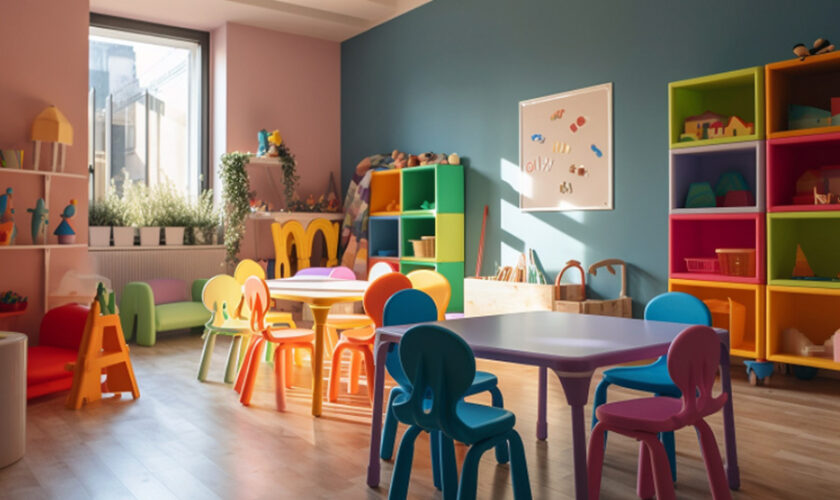
Plenty of room to move helps children explore without hesitation, as clear pathways reduce bumps, stops, and confusion. A well-spaced layout gives children the freedom to move from one activity to another without disruption, while also helping them understand how to share space with others. Subtle structure within the room plays a part in early development, as children begin to recognise where they can go and what they can do in each area.

Defined Zones Keep Activities Clear

Distinct areas for reading, play, and rest make the environment easier to understand at a glance. Children begin to associate each space with a purpose, reducing the need for repeated instructions, and these zones, when seen in a nursery in Redhill, Singapore, guide behaviour in a natural way that keeps transitions smooth without drawing too much attention.

Materials That Are Safe and Comfortable

Child-Friendly Materials Reduce Risk

Furniture with rounded edges, stable structures, and materials suited for young children creates a space that feels safe without restricting movement. Items designed for smaller hands and bodies make interaction easier, keeping children engaged and reducing frustration during play.

Comfort Supports Longer Engagement

Comfortable seating, soft flooring, and inviting play areas encourage children to stay with an activity for longer stretches. A cosy corner or a well-padded mat can turn a short moment into a longer period of focus, contributing to early education as children spend more time exploring and interacting with what is around them.

Cleanliness and Daily Care Routines

Hygiene Keeps the Environment Reliable

Regular cleaning and well-maintained materials create a space that feels consistent day after day. Children move through activities with fewer interruptions when surfaces and shared items stay in good condition, making the environment easier to trust and engage with.

Consistent Routines Build Trust

Daily habits such as tidying up or washing hands create a rhythm that children begin to follow without reminders, and repeated actions within a nursery in Redhill, Singapore shape expectations in a quiet way, helping children take part in routines while building confidence in handling simple tasks.

Emotional Comfort Within the Space

Familiar Elements Create a Sense of Ease

Recognisable layouts, consistent setups, and familiar objects help children settle into their surroundings more quickly. A space that feels known reduces hesitation, making it easier to join activities and interact with others without second-guessing each step.

Calm Areas Offer a Quiet Reset

A designated quiet spot gives children the option to step away and regroup when needed, and these quiet corners in a nursery in Redhill, Singapore provide a gentle pause during the day, helping children manage their feelings before returning to group activities with a clearer focus.

Conclusion

A safe and comfortable nursery environment brings together thoughtful layout, suitable materials, and consistent routines to guide children through their day. Each element works quietly in the background, helping children explore, interact, and settle with ease while building confidence over time.

Check out KidsCampus today to learn how a well-planned nursery setting can shape your child’s daily experience in a steady and practical way.
read more
Education

4 Tips On How to Choose the Right Children’s Art Class in Singapore

4 Tips On How to Choose the Right Childrens Art Class in Singapore

Key Highlights

  • Choose an art and craft studio that values the creative process and individual expression over producing identical, cookie-cutter projects.
  • Seek out an art jam studio that offers a vibrant, safe, and uninhibited space where children feel comfortable making a mess in the name of art.
  • Look for mentors who facilitate rather than dictate, ensuring your child learns technical skills without losing their unique artistic voice.
  • Always opt for a trial class to observe the chemistry between the teacher and the students before committing to a long-term term or package.

Introduction

Singapore is absolutely teeming with enrichment centres, yet finding the right fit for your child’s imagination requires more than just a quick search for the nearest location. You want a space that feels less like a sterile classroom and more like a playground for the mind where “mistakes” are celebrated as part of the learning curve.

When scouting for an art and craft studio, the first thing you should notice is the energy of the room because a quiet, rigid atmosphere rarely breeds true innovation in young minds. If the walls are covered in diverse, messy, and colourful student work, you are likely in a place that respects the raw journey of creation.

1. Look for a Process-Oriented Curriculum

Many parents fall into the trap of choosing a school based on the polished masterpiece brought home at the end of the day, but that often means the teacher did most of the work. A quality art and craft studio will focus on “process art”, where the goal is exploring how different mediums behave rather than hitting a specific visual target.

You want your child to understand the squish of clay or the way watercolours bleed into one another because these sensory experiences build cognitive bridges. Ask the instructors if they allow students to deviate from the lesson plan if a child feels inspired to take their painting in a completely different direction.

2. Evaluate the Social Dynamics of an Art Jam Studio

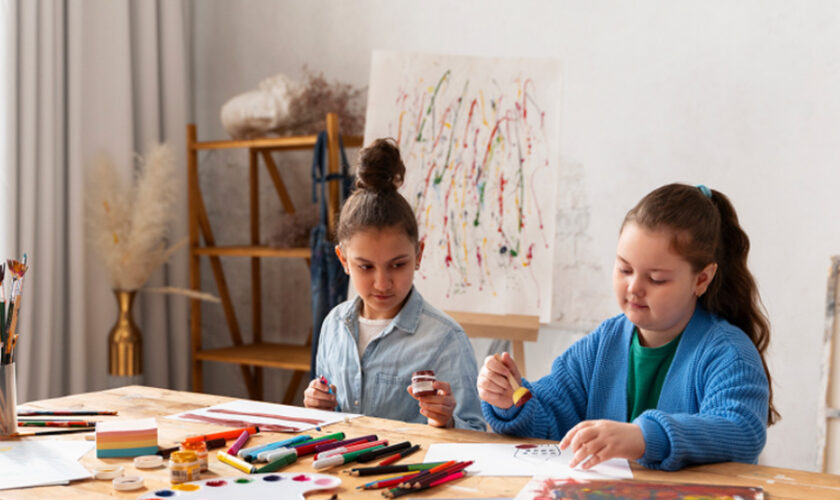
Art shouldn’t always be a solitary endeavour, especially for children who are still developing their social cues and collaborative skills. A modern art jam studio provides a unique social lubricant where kids can observe their peers, share materials, and offer casual praise to the person at the next easel.

This relaxed environment is brilliant for building confidence because it removes the high-pressure stakes of “getting it right” that often haunt traditional school art programmes. When children see their friends experimenting with bold strokes, they feel empowered to take their own creative risks without the fear of being judged.

3. Check the Variety of Media Offered

If a studio only focuses on pencil sketching or acrylic painting, your child might miss out on the broader world of mixed media. The best art and craft studio options in Singapore will introduce kids to everything from recycled sculpture and fabric work to printmaking and digital illustration.

Exposure to diverse textures and tools helps children find the specific medium that resonates with their personality, which might not be the traditional paintbrush. You are looking for a venue that encourages “tinkering” as much as it encourages “art” because that intersection is where true problem-solving skills are born.

4. Observe the Instructor’s Teaching Style

The difference between a good class and a transformative one usually comes down to the person at the front of the room. During your visit to an art jam studio, watch how the staff interact with the smaller artists; do they hover and correct every line, or do they ask open-ended questions that prompt the child to find their own solution?

A great teacher acts as a guide who provides the technical “how-to” while leaving the “what” and the “why” entirely up to the student. If the instructor is more interested in the child’s story behind the drawing than the neatness of the borders, you have found a winner.

Conclusion

Choosing the right creative home for your little one is about balancing a fun environment with a curriculum that challenges their perception of the world. By prioritising the process over the product and finding a studio that offers a wide variety of materials, you ensure that art remains a joy rather than a chore. The right space will not only teach your child how to draw but will teach them how to see.

Reach out to Kaleida Studio today to discover our hands-on DIY art and craft space in Singapore, where every child is an artist in their own right. Let’s get messy and make something brilliant together!

read more