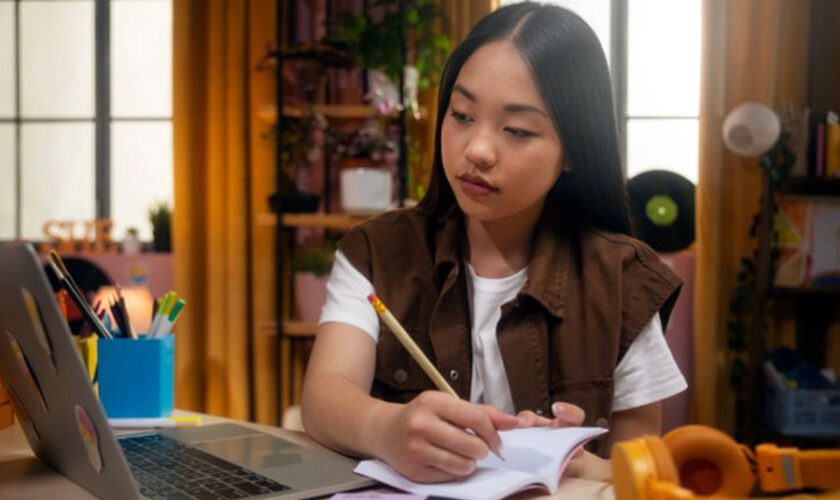


Recorded lessons offer a quieter path through difficult topics, giving students time to absorb information without pressure from fast-paced discussions. Learners gain room to pause, replay, and review explanations at a pace that feels manageable. Families using recorded materials appreciate having a steady tool they can return to during review, with guidance from online tutors in Singapore available when extra help is needed.
Clear Access to Missed Details
Recorded lessons help students catch details they may overlook during live instruction. Slower review reveals small transitions or examples that may pass too quickly in real-time classes. Careful rewatching helps students follow each step with stronger precision. When explanations move quickly, pausing or replaying sections makes complex ideas easier to follow. The format removes the stress of interrupting a class to ask for repetition.
Tone examples, sentence structures, and vocabulary cues become easier to revisit for learners, and Primary school Chinese tuition programmes often integrate recorded clips for this purpose. Slow, repeated listening builds clearer understanding of patterns that need more attention.
A Calmer Pace for Review
Recorded lessons ease the pressure of keeping up with group discussions, allowing students to move through material at a pace that suits their comfort. The slower rhythm supports clearer thinking when ideas feel dense.
Recorded clips appear in many study programmes and give students room for self‑paced review; guidance from online tutors in Singapore usually comes afterward when clarifying points raised during study. The model encourages steady practice without raising stress levels.
Flexible Study Routines
Quiet review moments at home make recorded lessons practical for daily study. Students can fit short review sessions between other tasks without feeling overwhelmed. A calm environment helps new information settle more clearly. Controlling the study environment helps students stay focused and relaxed.
Recorded material bridges class instruction and personal revision across language programmes, and Chinese tuition uses it to reinforce earlier lessons. Learners gain a dependable resource they can revisit whenever concepts feel unfamiliar.
Stronger Retention Through Repetition
Repetition helps students store new information more effectively, especially when topics include unfamiliar structures. Each revisit strengthens memory and builds familiarity with patterns that once felt confusing. Over time, repeated exposure leads to smoother progress. Recorded lessons make it easy to revisit explanations as many times as needed.
Short sections that highlight tone, phrasing, or sentence patterns are commonly replayed, and Primary school Chinese tuition tutors may direct students toward clips that match their current needs. Repeated exposure supports clearer recall during future lessons.
Helpful for Different Learning Styles
Students absorb information in different ways, and recorded lessons adapt well to these preferences. Some learners use visual cues to anchor key ideas, while others rely on hearing explanations at a steady pace. This flexibility helps each student engage in a way that feels comfortable. Visual learners can rewatch demonstrations, while auditory learners benefit from repeated explanations.
Recorded material suits varied learning styles, and families later working with online tutors in Singapore find that both formats complement each other well. The blend of audio and visual cues creates a more adaptable learning tool.
Reduced Stress During Difficult Topics
Challenging topics can feel overwhelming during a live session, where time limits may create tension. Recorded lessons shift the focus away from speed and toward understanding. Students gain a sense of control when they can pause to breathe and think. Recorded lessons give students room to pause and regroup without losing track of the material.
A calmer setting gives students time to process new terms and patterns gradually, and Chinese tuition sessions reference these recordings during later review. Parents see progress form gradually when children review tough concepts in smaller, more manageable steps.
Blending Recorded Lessons With Live Guidance
Recorded lessons work well when paired with opportunities for direct interaction. Students arrive at live sessions with clearer questions shaped by their earlier review. Tutors can then focus on the areas that matter most to each learner. Students can prepare questions after reviewing material on their own, creating more focused discussions.
Teachers teaching Primary School Chinese tuition use recorded clips to reinforce classroom activities, forming a cycle that deepens understanding over time. The method gives students a stable foundation before they enter live sessions.
Conclusion: A Useful Tool for Steady Learning
Recorded lessons provide a calm and practical way for students to revisit challenging topics with clarity. Learners guided by online tutors in Singapore gain consistent access to explanations they can revisit as needed. Contact LingoAce to explore study paths that balance recorded guidance with structured practice.