

close

Carolyn Lofton

Education

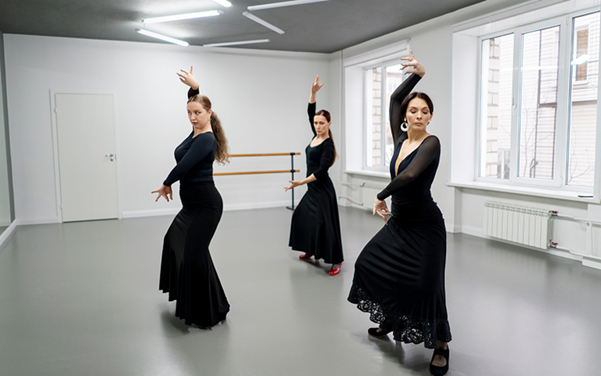
How to Get Fit and Stay Entertained With a Belly Dance Course

Key Takeaways

  • Belly dancing provides a full-body workout that improves core strength, flexibility, and posture without the monotony of traditional exercise.
  • Attending a structured dance programme fosters a sense of community and boosts self-confidence through artistic expression.
  • Professional dance performances can elevate the atmosphere of any social or corporate event, providing unique and memorable entertainment.

Introduction

Finding a physical activity that is both engaging and effective can be a challenge for many people who find traditional gym routines repetitive. Enrolling in a belly dance course offers a refreshing alternative that combines rhythmic movement with cultural artistry. This form of dance focuses on isolating different muscle groups, particularly in the torso, which leads to improved balance and core stability. It is a low-impact exercise suitable for individuals of various ages and fitness levels, making it an inclusive way to stay active. Beyond the physical, the music and movement create a joyous atmosphere that makes exercise feel like a celebration.

The Physical and Mental Benefits of Dancing

Belly dancing is not just about aesthetic movement; it is a rigorous physical discipline. Regular practice helps tone the abdominal muscles, strengthens the back, and increases joint mobility. Beyond the physical gains, the dance provides a significant mental health boost. The focus required to master intricate movements allows dancers to enter a flow state, reducing stress and anxiety. The upbeat music and supportive environment of a classroom also help participants feel more connected and empowered in their daily lives. It is a holistic approach to wellness that nurtures both the body and the spirit.

Enhancing Events with Professional Talent

When it is time to host a celebration, many people look for something beyond the usual music and catering. Professional belly dancers for hire can provide a captivating focal point for weddings, birthdays, or corporate functions. These performers bring a sense of elegance and energy to the room, often interacting with the audience to create a lively and inclusive atmosphere. The vibrant costumes and skilled choreography offer a cultural experience that guests are likely to remember for years to come. Hiring experts ensures that the performance is tasteful, authentic, and perfectly suited to the occasion.

What to Expect in a Dance Class

For those new to the art form, starting a dance journey can feel a little intimidating. Most beginner classes in a belly dance course focus on the basic foundations, such as hip shimmies, undulations, and graceful arm movements. Instructors typically break down each move into simple steps, ensuring that everyone can follow along regardless of their prior dance experience. As students progress, they begin to learn more complex combinations and how to interpret different styles of Middle Eastern music. The gradual progression allows for a steady build-up of skill and confidence without feeling overwhelmed.

Building Confidence and Social Connections

One of the most rewarding aspects of joining a dance studio is the social environment. It provides a space where people can meet others with similar interests and share in the joy of learning a new skill. As students master new techniques, their self-confidence often grows, which can positively impact other areas of their lives. Whether you are dancing for personal fitness or preparing for an informal showcase, the sense of achievement found in mastering a difficult move is incredibly fulfilling. This community aspect is what keeps many students returning year after year.

Conclusion

Incorporating dance into your life is an excellent way to balance physical health with creative enjoyment. Whether you are looking to join a belly dance course for personal growth or seeking belly dancers for hire to liven up your next big party, the benefits are clear. This ancient art form continues to thrive because it offers something unique for both the participant and the spectator. Embrace the rhythm and discover a more vibrant way to stay healthy and entertained while connecting with a rich cultural heritage. Taking that first step into a studio can lead to a lifetime of health and happiness.

Contact Bellydance Haven to find the perfect class for your fitness journey or to book stunning performers for your next special event.

read more
Education

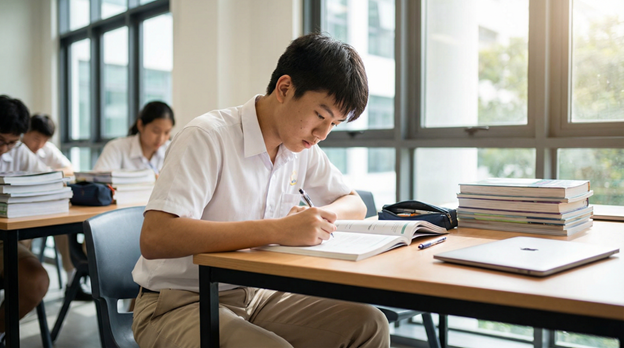
Why Are More Parents Choosing an International School in Singapore Today?

What Makes an International School in Singapore Stand Out?

In today’s globalized world, education is more than just mastering local curriculum—it’s about preparing children to thrive anywhere in the world. This is why many parents in Singapore are turning to an international school singapore for their children’s education. But what exactly sets these schools apart from traditional local institutions?

International schools in Singapore offer a broad, globally recognized curriculum that integrates diverse cultural perspectives. This approach fosters critical thinking, creativity, and global awareness, skills that are essential in the 21st century. Unlike many local schools that follow the national syllabus, international schools often adopt curricula like the International Baccalaureate (IB), Cambridge IGCSE, or the British GCSE. These internationally benchmarked programmes provide students with qualifications recognized by universities worldwide, opening doors to global higher education opportunities.

Moreover, an international school fosters an inclusive environment where students from different countries learn alongside each other. This multicultural setting enriches social development and intercultural understanding, key traits in today’s interconnected world. For parents who want their children to gain exposure to diverse cultures while receiving a rigorous education, an international school in Singapore is an appealing choice.

Can Quality Education Be Affordable in Singapore?

One common misconception is that enrolling in an international school in Singapore comes with a hefty price tag. While it’s true that many international schools charge premium fees, there are also options for families seeking an affordable international school in singapore without compromising quality.

Singapore is home to several international schools that balance affordability with excellence. These schools often provide competitive fee structures by optimizing resources and focusing on core educational values rather than extravagant facilities. For families looking for international education on a budget, researching such schools can uncover excellent institutions offering high-quality teaching and a supportive learning environment.

Additionally, affordable international schools in Singapore typically maintain smaller class sizes and employ experienced teachers who are passionate about nurturing each child’s potential. Many also offer scholarships or financial aid options, making it feasible for more families to access global-standard education.

What Should Parents Look for When Choosing an International School?

Selecting the right international school is a crucial decision that shapes a child’s future. Parents often wonder what criteria they should prioritize beyond fees and curriculum.

Firstly, consider the school’s accreditation and reputation. Accredited international schools have undergone rigorous evaluation by educational authorities, ensuring that their curriculum, faculty, and facilities meet high standards. This accreditation signals trustworthiness and academic excellence.

Secondly, examine the school culture and community. Is it welcoming and supportive? Does it encourage student participation and foster creativity? Visiting the campus, attending open houses, or talking to current parents can provide valuable insights.

Another important factor is the range of extracurricular activities available. A well-rounded education extends beyond academics, and schools that offer sports, arts, leadership opportunities, and community service help develop a child’s character and interests.

Lastly, consider the location and accessibility. Singapore’s traffic and commute times matter to both parents and children. Many international schools are strategically located to serve expat communities and local families alike, making daily travel manageable.

How Does The Grange Institution Address These Needs?

For families exploring options, The Grange Institution stands out as a prime example of an international school in Singapore that combines quality, affordability, and a nurturing environment. With a commitment to providing world-class education tailored to individual student needs, The Grange Institution offers an enriching curriculum that balances academic rigor with character development.

What makes The Grange particularly attractive is its transparent approach to fees. Prospective parents can easily access detailed information about tuition and other costs on their affordable international school in singapore page, helping families plan with confidence. This openness is a testament to the school’s trustworthiness and commitment to supporting families.

Moreover, The Grange’s experienced educators come from diverse backgrounds, bringing global perspectives into the classroom while understanding local Singaporean contexts. This blend ensures students receive a globally relevant education that also respects and integrates the unique cultural fabric of Singapore.

Why Is International Education in Singapore More Important Than Ever?

Singapore’s position as a global business hub attracts expatriates and multinational companies, creating a vibrant, multicultural society. For children growing up in this environment, international education is a pathway to becoming global citizens who can navigate diverse cultures and competitive academic landscapes.

Additionally, with rapid technological advancements and shifting job markets, the skills fostered by international schools—such as adaptability, communication, and critical thinking—are vital. Parents who choose an international school in Singapore often do so because they recognize these benefits and want their children to be ready for the future.

In conclusion, whether you prioritize a globally recognized curriculum, a multicultural environment, or an affordable international school in singapore, Singapore offers excellent opportunities for families seeking the best for their children. By carefully considering what matters most and exploring trusted institutions like The Grange Institution, parents can confidently choose a path that equips their children for success in an ever-changing world.

read more
Education

Why Are More Parents Choosing Private International Schools in Singapore?

What Makes Private International Schools in Singapore So Appealing?

In recent years, there has been a noticeable shift in Singapore’s education landscape, with an increasing number of parents opting for private international schools. But what is driving this trend? Singapore’s reputation for academic excellence is well-known, yet many families are exploring alternatives that cater to diverse learning styles, global curriculums, and more personalized education pathways. Understanding why private international schools in Singapore are becoming such a popular choice can help parents make informed decisions about their children’s education.

The appeal of private international schools often lies in their holistic approach to education. Unlike the traditional public school system, these schools typically offer a variety of international curricula such as the International Baccalaureate (IB), British GCSEs and A-Levels, or American Advanced Placement (AP) programs. This diversity allows students to engage with global perspectives from an early age, preparing them for opportunities both within Singapore and abroad. For expatriate families or Singaporeans seeking an education system that aligns with international standards, these schools provide a seamless transition.

How Do Private Primary Schools in Singapore Differ from Public Alternatives?

Choosing the right primary school is a crucial decision, as it forms the foundation of a child’s academic and social development. While public primary schools in Singapore are known for their rigorous standards and strong academic results, private primary schools often offer a different experience that appeals to many parents.

One notable difference is the smaller class sizes found in many private primary schools. This enables teachers to provide more individualized attention, catering to each student’s unique strengths and challenges. Additionally, private primary schools in Singapore tend to emphasize creativity, critical thinking, and extracurricular enrichment alongside core academics. This balanced approach can foster a love of learning and encourage children to develop skills beyond rote memorization.

Cultural diversity is another factor. Private international schools naturally attract students from various nationalities, creating a vibrant, multicultural environment. This exposure helps young learners develop empathy, adaptability, and global awareness—qualities that are increasingly valuable in today’s interconnected world.

Why Trusting Established Private International Schools Matters

With the rise in demand for private education options, it’s essential for parents to consider the experience and reputation of the schools they are considering. Established private international schools in Singapore often have a proven track record of academic excellence, strong leadership, and well-rounded student development programs. These factors contribute to the school’s authority and trustworthiness, key elements parents should look for when making such an important choice.

Accreditation and affiliations with recognized international education bodies also serve as indicators of quality. Schools that maintain these standards demonstrate a commitment to ongoing improvement and adherence to best practices. This level of professionalism ensures that students receive an education that is both reputable and transferable internationally.

What Should Parents Look for When Exploring Private International Schools?

Navigating the options for private international education can feel overwhelming, but focusing on a few key aspects can simplify the process. First, parents should consider the curriculum offered and how it aligns with their child’s learning style and future plans. For example, families planning for university studies overseas may prefer the IB or British curricula, which are widely recognized.

Next, the school’s culture and values are important. Visiting campuses, speaking with faculty, and engaging with current parents can provide insight into the environment and community. Schools that prioritize student well-being, character development, and inclusivity often produce well-rounded individuals prepared for life beyond academics.

Furthermore, location and logistics play a practical role. Singapore’s compact size means that many private international schools are accessible, but proximity to home or work can reduce daily stress for families.

How Can Parents Start Exploring Their Options?

For parents beginning their search, resources like private international schools in Singapore directories and consulting services can be invaluable. These platforms offer comprehensive information about school programs, admissions processes, and tuition fees. Engaging with expert advisors can also help families identify schools that best meet their unique needs.

Similarly, those specifically interested in early education can explore private primary schools in Singapore, where detailed profiles and reviews highlight the strengths of various institutions. By leveraging expert guidance and reliable resources, parents can confidently navigate the private education landscape.

Why Does This Matter for Your Child’s Future?

Choosing the right school is about more than just academics—it shapes a child’s social skills, confidence, and worldview. Private international schools in Singapore provide an environment that nurtures global citizens, ready to thrive in diverse settings. By investing time and research into selecting the right institution, parents equip their children with the foundation to excel in an increasingly complex world.

Ultimately, the growing preference for private international and primary schools in Singapore reflects a desire for education that is personalized, globally relevant, and focused on holistic development. For parents seeking these qualities, exploring these options is a step toward securing a brighter future for their children.

read more
Education

Why Are More Singaporeans Turning to Yoga for Beginners in Singapore?

What Makes Yoga So Popular Among Singaporeans Today?

In recent years, yoga has become a staple wellness activity in Singapore, appealing to people of all ages and lifestyles. But why is this ancient practice gaining such traction in a fast-paced city known for its high-stress environment? The answer lies not just in yoga’s physical benefits, but in its holistic approach to well-being—something many Singaporeans are actively seeking.

Singapore’s urban lifestyle, with its demanding work culture and constant connectivity, often leaves little room for mental relaxation. Yoga offers a refuge, a chance to slow down, breathe, and reconnect with the body and mind. This growing interest has led to an increase in accessible options, including yoga for beginners Singapore classes that specifically cater to those new to the practice.

Why Should You Consider Yoga for Beginners in Singapore?

Starting yoga can be intimidating, especially if you’re unsure about the poses or the terminology. This is where beginner-friendly yoga classes make all the difference. Many studios across Singapore, such as The Yoga Mandala, offer tailored sessions that introduce foundational postures and breathing techniques in a supportive environment.

For newcomers, these classes are invaluable in building confidence and ensuring proper alignment, reducing the risk of injury. Moreover, they focus on creating a mindful experience, helping participants develop a sustainable practice rather than just a workout routine. This approach resonates well with Singaporeans who seek not only physical fitness but also stress relief and mental clarity.

If you’re curious about where to start, exploring the yoga for beginners Singapore schedule is a practical first step. It allows you to find classes that fit your timetable and comfort level, easing you into the world of yoga at your own pace.

How Does Yoga Fit Into the Singaporean Lifestyle?

Singapore’s tropical climate and urban density might seem like obstacles to practicing yoga, but in reality, they’ve inspired innovative solutions. Indoor studios, rooftop yoga sessions, and even virtual classes have made it easier for residents to integrate yoga into their daily routines.

The emphasis on wellness within Singapore’s community also encourages participation. It’s common to see offices promoting lunchtime yoga or wellness challenges that include yoga sessions. This cultural shift towards health-conscious living has elevated the profile of yoga Singapore as more than just a fitness trend—it’s becoming a way of life.

Furthermore, the diversity of yoga styles available in Singapore caters to different preferences and needs. Whether you’re interested in the meditative flow of Vinyasa, the alignment-focused Iyengar, or restorative Yin yoga, beginner classes provide the perfect gateway. This inclusivity ensures that everyone, regardless of age or fitness level, can find a practice that resonates with them.

What Should You Expect from a Quality Yoga Singapore Studio?

When choosing a yoga studio in Singapore, several factors contribute to a positive experience. Expertise and credentials of the instructors are paramount—they should be well-trained, experienced, and able to guide students safely through each session. Studios like The Yoga Mandala pride themselves on their qualified teachers who bring both skill and compassion to their classes.

Another important aspect is the studio environment. A welcoming, calm space with a focus on cleanliness and comfort enhances the practice. For beginners especially, feeling at ease is crucial to building a lasting habit.

Flexibility in class schedules also matters, especially in a busy city like Singapore. Having access to a variety of class times, including evenings and weekends, makes it easier to commit consistently. Checking out the yoga for beginners Singapore offerings can help you find a studio that matches your lifestyle.

Lastly, a trustworthy studio will foster a community vibe, encouraging interaction and support among students. This sense of belonging not only motivates regular attendance but also enriches the overall experience.

Can Yoga Really Improve Mental Health for Singaporeans?

The mental health benefits of yoga are well-documented, and they hold particular relevance in Singapore’s high-pressure environment. Yoga’s focus on mindfulness and breath control helps reduce anxiety and improve mood by calming the nervous system. For many Singaporeans juggling work, family, and social obligations, this can be a game-changer.

Regular yoga practice has been shown to lower cortisol levels—the body’s primary stress hormone—and enhance overall emotional resilience. This is especially important in Singapore, where mental well-being has become a national priority.

Incorporating yoga into your routine can also improve sleep quality, boost concentration, and foster a greater sense of self-awareness. These benefits contribute to better productivity and a healthier work-life balance, goals that resonate deeply with Singapore’s workforce.

How to Get Started with Yoga in Singapore Today?

If you’re ready to explore yoga but unsure where to begin, the best approach is to take that first step by enrolling in a beginner-friendly class. Many Singapore studios offer drop-in sessions or trial packages, making it easy to test the waters without a long-term commitment.

The Yoga Mandala, for instance, provides a comprehensive yoga for beginners Singapore program designed to introduce the essentials in a supportive setting. Their classes emphasize proper technique, injury prevention, and mindfulness, ensuring a well-rounded introduction to the practice.

By visiting their website, you can also learn more about the broader yoga Singapore scene, including different styles and advanced classes as you progress.

In summary, yoga’s rising popularity in Singapore is no coincidence. It meets a growing need for balance, health, and community in a bustling city. Whether you’re looking to improve your physical fitness, manage stress, or simply try something new, starting with beginner yoga classes in Singapore is a practical and rewarding choice. Embrace the journey, and you might find that yoga offers far more than just exercise—it offers a new way to experience life.

read more
Education

Supporting Students Through Every Stage: Academic Enrichment and Test Prep at Masterpiece Academy

Every student learns differently, and finding the right support at the right time can make all the difference in academic success. Masterpiece Academy is dedicated to meeting students where they are, offering personalized academic enrichment and test preparation services designed to help learners build confidence, strengthen skills, and reach their full potential.

A Personalized Approach to Academic Support

Masterpiece Academy understands that no two students have the same learning journey. Whether a student is looking to sharpen foundational skills, get ahead in a challenging subject, or prepare for a high-stakes standardized test, the team at Masterpiece Academy works to provide targeted, individualized instruction. This commitment to personalization sets Masterpiece Academy apart from one-size-fits-all tutoring programs.

The academy serves students across a range of grade levels, helping them navigate the academic demands of each stage of their education. From elementary school through high school, Masterpiece Academy offers structured support that adapts to each student’s unique needs and goals.

Academic Enrichment for Lasting Growth

Academic enrichment at Masterpiece Academy goes beyond simply reviewing what students have already learned in the classroom. The program is designed to deepen understanding, encourage critical thinking, and help students develop the study habits and skills they need for long-term success. By reinforcing core concepts and introducing students to more advanced material in a supportive environment, Masterpiece Academy helps learners build a strong academic foundation.

Students who engage with enrichment programs often find that their overall classroom performance improves as a result. When students feel more confident in their abilities, they are more likely to participate actively in class and approach challenging assignments with a positive mindset.

Test Preparation That Builds Confidence

Standardized tests can be a source of significant stress for students and families alike. Masterpiece Academy offers focused test preparation services to help students approach these assessments with confidence and readiness. By familiarizing students with test formats, practicing key skills, and identifying areas that need additional attention, the academy’s test prep programs give students the tools they need to perform at their best.

Effective test preparation is not just about memorizing content. It also involves building time management strategies, reducing test anxiety, and developing the problem-solving skills that are essential for success on exams. Masterpiece Academy addresses all of these components as part of a comprehensive preparation experience.

A Trusted Partner for Families

Families looking for reliable academic support can learn more about the full range of programs available by visiting the Masterpiece Academy website. The academy’s commitment to student success is evident in every aspect of its approach, from the quality of its instruction to the care it takes in understanding each student’s individual goals.

For students who need guidance through the academic challenges of today’s educational landscape, Masterpiece Academy stands ready to help at every stage of the journey.

read more
Education

7 Ways Student Care in Singapore Differs From Standalone Enrichment Classes

Key Takeaways

  • Student care in Singapore fills the full after-school gap, while enrichment classes cover only short sessions.
  • Student care manages daily routines such as meals and homework, whereas enrichment classes focus on one skill.
  • Logistics, cost structure, and social experience differ significantly between the two models.

Introduction

Primary school dismissal creates a daily gap between early afternoon and evening. Many working parents must decide whether to enrol their child in student care or arrange separate enrichment classes in Singapore. These two options serve different purposes even though both operate after school hours. One provides structured supervision across several hours, while the other concentrates on skill development during short sessions. Understanding how they differ helps parents choose a setup that matches their child’s routine and the family’s schedule.

1. Duration of Supervision

Student care in Singapore typically runs from early afternoon until evening. Children remain in one supervised setting for several continuous hours. Staff oversee meals, rest time, and homework before dismissal.

Enrichment classes in Singapore usually last between sixty and ninety minutes. After the session ends, the child still requires supervision elsewhere. Parents must arrange transport, wait time, and interim care between classes. The difference lies in whether supervision covers the entire afternoon or only a segment of it.

2. Daily Routine Versus Skill Training

Student care centres structure the afternoon around predictable activities. Children eat, complete assignments, take short breaks, and participate in guided group activities. The schedule repeats each weekday, creating consistency.

Enrichment classes focus on one discipline at a time. A mathematics class builds problem-solving skills. A dance class develops coordination. These sessions prioritise technical progress within a limited timeframe. They do not manage meals, hygiene, or rest because their purpose centres on performance or mastery.

3. Homework Responsibility

Student care in Singapore usually includes supervised homework periods. Staff monitor completion and clarify instructions where necessary. Children return home with most school tasks finished.

Enrichment classes rarely allocate time for school assignments. In many cases, instructors assign additional practice related to the subject taught. Parents must then supervise school homework and enrichment tasks later in the evening. This arrangement can extend academic hours into the night.

4. Social Environment and Peer Interaction

Children in student care spend many hours together across the week. Shared meals, group activities, and study sessions create repeated interaction. Familiarity builds through daily exposure.

In enrichment classes, children meet once or twice weekly for a specific subject. Interaction focuses on completing tasks within that session. Relationships develop more slowly because contact time remains limited. The social experience differs in intensity and frequency.

5. Transport and Scheduling Demands

Many student care centres arrange school pick-ups or operate within school compounds. Children move directly from classroom dismissal to the care centre. Parents collect them once in the evening.

Enrichment classes often take place at separate venues such as malls or tuition centres. Parents or caregivers must coordinate travel during peak hours. When a child attends multiple classes on different days, each session requires separate planning. The difference affects how much coordination the household must manage each week.

6. Activity Integration

Modern student care in Singapore frequently incorporates enrichment-style activities within the standard fee. Centres may schedule art projects, reading sessions, or character development modules as part of the daily programme. These activities occur in the same location under one timetable.

Standalone enrichment classes operate independently. A parent who wants both language and music lessons must enrol in two different providers. Each provider sets its own calendar, payment structure, and cancellation policy. Integration within student care reduces administrative layers.

7. Cost Structure and Value Consideration

Student care fees usually reflect full-day supervision, meals, and structured programming. When divided by total hours spent at the centre, the hourly cost becomes clearer. The payment covers continuous care rather than a single subject.

Enrichment classes charge per subject and per session. Premium programmes may command higher hourly rates. When families enrol in multiple subjects, monthly costs accumulate quickly. The financial comparison depends on whether parents prioritise extended supervision or specialised instruction.

Conclusion

Student care and enrichment classes in Singapore address different after-school needs. Student care manages the entire afternoon with structured supervision and routine. Enrichment classes concentrate on advancing a particular skill within a short session. Parents who require consistent coverage until evening may find student care more aligned with their schedule. Families seeking focused training in a specific discipline may prefer standalone classes. Evaluating time commitment, logistics, and academic demands allows parents to choose a model that fits daily life without adding unnecessary strain.

Contact Curos to explore how student care in Singapore can support your child’s after-school routine.

read more
Education

Why Recorded Lessons Help Students Review Difficult Topics Calmly

Recorded lessons offer a quieter path through difficult topics, giving students time to absorb information without pressure from fast-paced discussions. Learners gain room to pause, replay, and review explanations at a pace that feels manageable. Families using recorded materials appreciate having a steady tool they can return to during review, with guidance from online tutors in Singapore available when extra help is needed.

Clear Access to Missed Details

Recorded lessons help students catch details they may overlook during live instruction. Slower review reveals small transitions or examples that may pass too quickly in real-time classes. Careful rewatching helps students follow each step with stronger precision. When explanations move quickly, pausing or replaying sections makes complex ideas easier to follow. The format removes the stress of interrupting a class to ask for repetition.

Tone examples, sentence structures, and vocabulary cues become easier to revisit for learners, and Primary school Chinese tuition programmes often integrate recorded clips for this purpose. Slow, repeated listening builds clearer understanding of patterns that need more attention.

A Calmer Pace for Review

Recorded lessons ease the pressure of keeping up with group discussions, allowing students to move through material at a pace that suits their comfort. The slower rhythm supports clearer thinking when ideas feel dense.

Recorded clips appear in many study programmes and give students room for self‑paced review; guidance from online tutors in Singapore usually comes afterward when clarifying points raised during study. The model encourages steady practice without raising stress levels.

Flexible Study Routines

Quiet review moments at home make recorded lessons practical for daily study. Students can fit short review sessions between other tasks without feeling overwhelmed. A calm environment helps new information settle more clearly. Controlling the study environment helps students stay focused and relaxed.

Recorded material bridges class instruction and personal revision across language programmes, and Chinese tuition uses it to reinforce earlier lessons. Learners gain a dependable resource they can revisit whenever concepts feel unfamiliar.

Stronger Retention Through Repetition

Repetition helps students store new information more effectively, especially when topics include unfamiliar structures. Each revisit strengthens memory and builds familiarity with patterns that once felt confusing. Over time, repeated exposure leads to smoother progress. Recorded lessons make it easy to revisit explanations as many times as needed.

Short sections that highlight tone, phrasing, or sentence patterns are commonly replayed, and Primary school Chinese tuition tutors may direct students toward clips that match their current needs. Repeated exposure supports clearer recall during future lessons.

Helpful for Different Learning Styles

Students absorb information in different ways, and recorded lessons adapt well to these preferences. Some learners use visual cues to anchor key ideas, while others rely on hearing explanations at a steady pace. This flexibility helps each student engage in a way that feels comfortable. Visual learners can rewatch demonstrations, while auditory learners benefit from repeated explanations.

Recorded material suits varied learning styles, and families later working with online tutors in Singapore find that both formats complement each other well. The blend of audio and visual cues creates a more adaptable learning tool.

Reduced Stress During Difficult Topics

Challenging topics can feel overwhelming during a live session, where time limits may create tension. Recorded lessons shift the focus away from speed and toward understanding. Students gain a sense of control when they can pause to breathe and think. Recorded lessons give students room to pause and regroup without losing track of the material.

A calmer setting gives students time to process new terms and patterns gradually, and Chinese tuition sessions reference these recordings during later review. Parents see progress form gradually when children review tough concepts in smaller, more manageable steps.

Blending Recorded Lessons With Live Guidance

Recorded lessons work well when paired with opportunities for direct interaction. Students arrive at live sessions with clearer questions shaped by their earlier review. Tutors can then focus on the areas that matter most to each learner. Students can prepare questions after reviewing material on their own, creating more focused discussions.

Teachers teaching Primary School Chinese tuition use recorded clips to reinforce classroom activities, forming a cycle that deepens understanding over time. The method gives students a stable foundation before they enter live sessions.

Conclusion: A Useful Tool for Steady Learning

Recorded lessons provide a calm and practical way for students to revisit challenging topics with clarity. Learners guided by online tutors in Singapore gain consistent access to explanations they can revisit as needed. Contact LingoAce to explore study paths that balance recorded guidance with structured practice.

read more
Education

Accessibility Testing Automation: Ensuring Inclusive Digital Experiences Through WCAG Compliance

Imagine walking into a building where every doorway, staircase, and hallway is designed for only one body type and one ability. Many would struggle to move freely, feeling excluded from spaces others take for granted. The same principle applies to digital platforms—websites, apps, and software that are not designed with accessibility in mind leave millions behind.

Accessibility Testing (A11y) ensures that everyone, regardless of disability, can access and interact with digital systems. But in today’s fast-paced development cycles, manually testing accessibility can be too slow and inconsistent. That’s where Accessibility Testing Automation steps in, blending empathy with efficiency to make inclusion part of every release.

The Essence of Accessibility: Building for All

Accessibility is not a luxury—it’s a moral and often legal necessity. Standards like the Web Content Accessibility Guidelines (WCAG) define how digital systems can support users with visual, auditory, cognitive, and motor impairments.

Automated accessibility testing tools act like vigilant inspectors. They continuously evaluate elements such as colour contrast, keyboard navigation, and ARIA roles to ensure compliance with WCAG. However, true accessibility testing isn’t just about ticking boxes—it’s about understanding how real users experience your product.

For professionals entering this field, mastering automation frameworks and accessibility tools through structured programs like a software testing course in Pune can provide a deep understanding of how inclusion and innovation intersect in testing practices.

Automation: The Engine of Consistency

Manual accessibility testing requires extensive human effort and specialised knowledge. Automation, on the other hand, introduces repeatability and consistency across builds.

Tools like Axe, Lighthouse, and Pa11y can integrate directly into CI/CD pipelines. Every commit or deployment can trigger automated checks, catching accessibility issues early before they become expensive to fix. Think of it as embedding empathy directly into your DevOps workflow—each automation run ensures inclusivity remains a continuous process, not an afterthought.

Automation also provides measurable insights. Dashboards can display accessibility scores over time, helping teams track improvement or spot regressions. This feedback loop reinforces accountability across teams—designers, developers, and testers alike.

Balancing Automation and Human Insight

While automation can catch many common accessibility issues, it can’t replace human judgment. Tools may flag missing alt text, but they can’t decide whether that description truly conveys meaning. Automated tests can verify keyboard navigation, but they can’t assess whether a screen reader user finds the flow intuitive.

This is where hybrid testing shines. Automation handles the repetitive, rule-based validation, while human testers provide context and empathy. Together, they ensure the digital product is not only technically compliant but genuinely usable.

Developers and testers who refine both automated and manual accessibility testing skills often find themselves at the forefront of inclusive technology. Training through courses like a software testing course in Pune can bridge this gap, blending technical knowledge with user-centric design understanding.

Continuous Compliance: Accessibility as a Culture

True accessibility extends beyond initial testing—it thrives through continuous monitoring. As applications evolve, new components and design changes can unintentionally introduce barriers. Continuous accessibility testing ensures compliance remains intact through every iteration.

Teams that embed accessibility testing automation within their CI/CD pipelines demonstrate a proactive culture—one where inclusion is not a feature but a standard. This approach transforms accessibility from a compliance checkbox into an ethical commitment.

When accessibility becomes part of the workflow, organisations don’t just meet WCAG standards—they build digital ecosystems that reflect empathy, equality, and universal usability.

Conclusion

Accessibility Testing Automation is more than a technical practice—it’s a declaration of inclusivity in the digital world. By combining the precision of automation with the intuition of human testing, teams can ensure that every update, release, and redesign supports a truly inclusive experience.

For aspiring testers and QA professionals, learning how to embed automated accessibility testing into agile environments can be transformative. With structured learning and practical application, inclusivity can become second nature—proving that great software doesn’t just work for most people; it works for everyone.

read more
EducationMusic

Practice Room Routines That Actually Translate to Stage Confidence

Practice is only useful if it survives contact with an audience. The goal isn’t perfection in a quiet room—it’s reliability under lights, noise, and nerves. Here’s a practical blueprint to turn solo practice into stage-ready confidence.

1) Start With “Performance-First” Warmups

Before scales or rudiments, do a 90-second micro-performance: play a chorus, run a fill into a downbeat, sing a hook. No stopping, no fixing. This tells your brain, “we’re here to perform,” not just to iterate. Then move into technique. Bonus: track one tiny improvement you’ll showcase at day’s end.

2) Use Laddered Tempos (Down Then Up)

Don’t only ramp up. Try 70% → 60% → 80% → 90% → show tempo. Dropping below comfort exposes slop; climbing back builds control. Mark where articulation breaks, then isolate that two-beat cell for 5–10 perfect reps.

3) Red-Light Training: Record Everything

Hit record for every full take. The “red light” triggers the same pressure you’ll feel live. Keep a three-column log: Timestamp (2:13 missed pickup), Likely Cause (breath too late), Fix (inhale on ‘and’ of 4). Review once, apply, move on. Avoid endless replays.

4) One-Take Rule With Non-Stop Recovery

Practice continuing after mistakes. Run the song once per session with a strict rule: no stopping. When you flub, deploy a pre-planned recovery (repeat the bar, simplify the fill, skip the embellishment). Confidence skyrockets when your body knows it can land the plane after turbulence.

5) Build Variability on Purpose

Nerves punish one-path players. Add controlled randomness: practice standing, seated, with lights low, with a fan (simulates stage air), at morning voice vs. evening voice. Change monitoring (one ear, low wedge volume). Variability inoculates you against venue surprises.

6) Rehearse Transitions Like They’re Songs

Crowd impressions hinge on beginnings and endings. Isolate: count-offs, first bar, first lyric, final bar, and bow/outro. Run only these five moments in a loop for five minutes. Add the “walk-up” (hands to instrument, inhale) to engrain calm, efficient movement.

7) Two-Minute Stagecraft Blocks

Confidence isn’t only notes. Rotate micro-blocks:

  • Mic technique: distance control on whispers vs. belts.
  • Body language: plant feet, soft knees, eyes up on downbeats.
  • Space use: three marks on the floor—center, stage left, stage right—practice moving on section changes.
    Two minutes daily prevents the “statue syndrome” live.

8) Breath, Count, Release

Anxiety compresses breath and time feel. Bake in a pre-chorus ritual: inhale on beat 3, exhale on 4, release jaw/shoulders on 1. For drummers, pair it with a lighter grip on fills; for singers, pre-place vowels. A tiny breathing routine anchors the biggest moments.

9) “Set-Builder” Practice, Not Only Song Practice

Once a week, run mini-sets: three songs in show order, no pauses longer than your planned patter. Practice tuning, patch changes, and count-offs inside the clock. The set is the unit of performance; train the unit.

10) Cue-Map Your Brain

Make a one-page cue sheet per song: form (V1/PC/Ch/Br), danger zones, and two confidence cues (e.g., “look up at Chorus 1 hit,” “open palm to drummer on bridge stop”). Tape it at eye level. After a few runs, ditch the paper—but keep the cues.

11) Build a “Mistake Library”

Catalog top five recurring errors (late entrance, over-sung high note, rushing fills, flat vowel on money note, missed pedal change). For each, design a fast fix. Example: high note strain → step down a half-step harmony in emergencies; rushing → ghost a subdivision with tongue or stick. Owning your fixes reduces panic.

12) Practice With Audience Simulators

Invite two friends to sit silently for a five-minute “show.” Or set a timer, turn on bright lights, and film a single take you must publish privately to a trusted chat. The mild social stakes simulate stage stress better than any metronome.

13) End Every Session With a Win Reel

Finish on a clean performance of the trickiest eight bars. Label the file “Win-[date].” On shaky days, listen to three wins before practicing. Confidence is memory; build your receipts.

14) The 24-Hour Rule for Polishing

Sleep consolidates skills. On day two, open with yesterday’s hardest passage. If it fails, don’t spiral; return to 80% tempo, then reclaim show tempo. Keep the improvement curve visible with small annotations (“Day 1: 80–92% clean; Day 2: 96% clean.”)

15) Pre-Show Mini-Ritual

Before gigs, run a five-minute checklist: hydrate, breath cycle, count-off rehearsal, first-line rehearsal, gear glance (cable, power, tuner), and one gratitude thought. Rituals trade uncertainty for routine—and routine feels like confidence on stage.

A Sample 45-Minute Translational Practice

  • 00:00–02:00 Micro-performance + goal set
  • 02:00–10:00 Laddered tempo on hardest passage
  • 10:00–15:00 Transitions loop (count-offs, first bars, endings)
  • 15:00–20:00 Stagecraft block (mic, body, space)
  • 20:00–30:00 One-take run, mistake recovery active, recording on
  • 30:00–40:00 Mini-set (two songs back-to-back, no dead air)
  • 40:00–45:00 Win reel capture + next-session note

Practice like this and stage confidence becomes the byproduct—not the goal. You’ll trust your breath, your body, and your recovery plans, which frees you to connect with the room. If you want structured reps with peers and coaches who hold you to performance-level standards, look into Summer music classes that emphasize live runs, feedback loops, and small-group showcases.

read more
Education

Top 5 Qualities That Define the Best Corporate Training Companies in Singapore

Corporate training in Singapore continues shaping a workforce that adapts quickly, innovates consistently, and performs effectively. As businesses prioritise skill development, choosing the right partner becomes crucial. The best corporate training companies distinguish themselves by delivering measurable results, using practical strategies, and maintaining strong client relationships.

1. Delivering Measurable Results

A leading provider always focuses on measurable outcomes. Effective training programmes must go beyond theory, producing clear improvements in productivity, collaboration, and performance. Companies offering corporate training in Singapore regularly track participants’ progress using evaluations, feedback forms, and post-training assessments.

They set specific benchmarks aligned with clients’ objectives, ensuring that every session creates real impact. Trainers continuously refine their approach using data insights to address skill gaps and reinforce key learning points. Through consistent tracking and adjustment, the best corporate training companies maintain high effectiveness across all programmes.

Firms prioritising measurable success demonstrate accountability. Clients can easily identify training value by comparing pre-training and post-training performance, reinforcing confidence in the provider’s expertise and commitment.

2. Providing Industry-Relevant Expertise

Industry relevance defines how effective training becomes in practical application. The best corporate training companies employ trainers with solid industry experience and an in-depth understanding of current market trends. They integrate realistic scenarios, case studies, and challenges from actual business environments.

In Singapore’s dynamic economy, such expertise ensures employees gain skills applicable to their work context. Corporate training in Singapore must keep up with digital transformation, emerging technologies, and evolving client expectations. Trainers who stay updated with current industry developments deliver insights that prepare employees for immediate implementation.

A company with domain-specific trainers can adapt content across various sectors, from finance and marketing to manufacturing and technology, ensuring that employees understand strategies relevant to their workplace. This approach leads to faster application and longer retention of knowledge.

3. Customising Programmes for Organisational Goals

Customisation defines the difference between generic sessions and transformative training. Top-tier providers tailor every programme to address unique business goals, operational challenges, and team dynamics. They conduct pre-training consultations to understand company culture, workflow, and pain points before designing the curriculum.

Customisation enables trainers to align every session with the company’s priorities, ensuring maximum engagement and relevance. For instance, if an organisation focuses on leadership development or communication improvement, the training structure will emphasise practical exercises supporting those targets.

The best corporate training companies build flexibility into their modules, adjusting content according to participants’ feedback and organisational changes. Such adaptability fosters continuous growth, allowing businesses to evolve without disrupting learning progress.

4. Incorporating Technology and Modern Learning Methods

Corporate training in Singapore now relies heavily on digital tools, blended learning formats, and virtual platforms. Modern providers use learning management systems (LMS), gamified modules, and interactive simulations to enhance engagement. These features encourage participation and retention, especially for hybrid or remote teams.

Using technology streamlines the learning process, giving participants access to resources anytime and anywhere. Trainers leverage data analytics to track progress, monitor completion rates, and identify improvement areas. Video lessons, quizzes, and performance dashboards transform traditional sessions into interactive learning experiences.

The best corporate training companies in Singapore integrate technology with personalised support, ensuring every learner receives guidance suited to their pace and goals. Combining digital innovation with instructor-led mentoring builds confidence while maintaining engagement across various levels of expertise.

5. Maintaining Strong Post-Training Support

Continuous development remains vital for skill sustainability. The most effective providers extend support beyond the final session, helping employees apply their learning in daily tasks. Post-training follow-ups, refresher courses, and mentorship programmes ensure that knowledge turns into consistent performance.

Corporate training in Singapore succeeds when participants retain skills long-term. Providers offering aftercare services, such as progress evaluations or one-on-one coaching, help clients reinforce lessons and maintain productivity. This sustained involvement demonstrates dedication to client success rather than focusing solely on short-term completion.

The best corporate training companies understand that learning remains a continuous process. They maintain relationships with clients, providing regular updates on new techniques, trends, and workshops that complement existing programmes.

Conclusion

Effective corporate learning transforms individuals into confident, capable professionals driving organisational progress. Companies seeking trusted training partners should assess whether providers offer measurable outcomes, relevant expertise, customised solutions, modern tools, and continuous support. These five qualities form the foundation of reliable training partnerships that help businesses adapt and excel.

Explore tailored programmes designed to enhance employee performance and leadership potential. Visit or contact OOm Institute for corporate training in Singapore and start building a workforce ready to achieve sustained success.

read more
1 2 3
Page 1 of 3