

close

singapore

Education

Why Ballet Remains a Timeless Foundation for Dance Education

Why Ballet Remains a Timeless Foundation for Dance Education

Key Takeaways

  • Ballet provides a strong technical base that supports many dance styles
  • Structured training builds focus, patience, and confidence over time
  • Classical foundations remain relevant alongside modern dance trends
  • A Singapore ballet academy offers long-term value beyond performance

Introduction

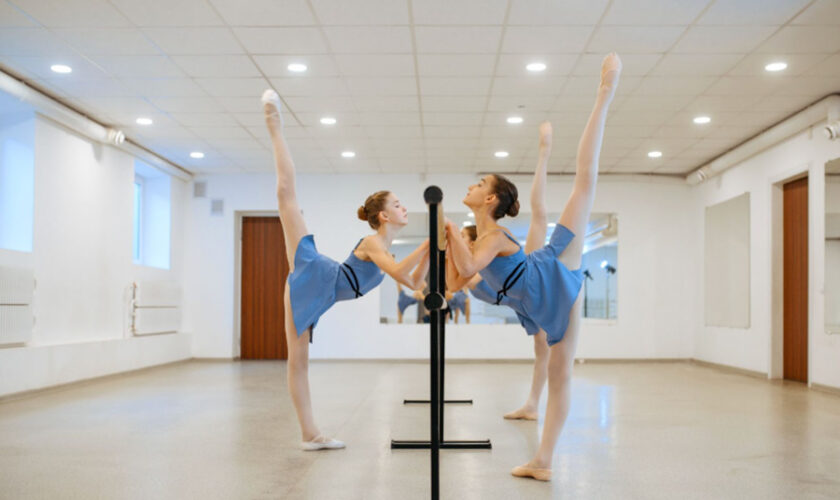
Ballet is frequently seen as refined and traditional, defined by precise lines and measured movements. Beyond that polished exterior, however, lies a rigorous method built on technique, repetition, and deep musical understanding. As contemporary genres gain popularity, ballet remains a cornerstone of formal dance training. Within ballet in Singapore, this classical foundation continues to provide structure and technical strength for dancers at every stage of development.

There is a reason parents, educators, and dancers keep returning to ballet. It teaches more than steps. It trains the body to move well and the mind to stay present.

The Technique That Never Really Goes Out Of Style

Ballet is sometimes described as strict, but that discipline serves a purpose. Every exercise, from the first plié to the final reverence, builds coordination, strength, and musical awareness. These skills do not stay locked inside the studio.

Dancers with a ballet background often adapt quickly when exposed to jazz, contemporary, or lyrical styles. Their bodies already understand spacing, control, and timing. That is why many teachers still recommend starting at a Singapore ballet academy, even for students who plan to branch out later.

Think of it like learning proper sentence structure before experimenting with poetry. The basics create freedom down the line.

Discipline That Quietly Shapes Character

Beyond technique, ballet teaches habits. Classes follow a predictable rhythm, and progress comes through repetition. Some days feel smooth. Others feel clumsy. That contrast is part of the learning.

Children and teens practising ballet in Singapore often carry these lessons into daily life. Improved focus, better time management, and resilience tend to follow. Ballet does not rush results, and that patience can be grounding in a fast-moving environment.

Interestingly, this structure appeals just as much to adults returning to dance. The clear framework provides focus without feeling chaotic.

Expression Within Clear Boundaries

Here’s the contradiction. Ballet is controlled, yet expressive.

Once dancers internalise technique, subtle choices start to appear. A softer landing. A sharper accent in the music. A pause that lingers. These moments allow personality to surface, even within set choreography.

That balance keeps ballet relevant. While trends shift, ballet in Singapore continues to adapt, blending classical methods with modern music, relaxed studio cultures, and flexible class formats.

Why Foundations Matter More Than Trends

Dance trends come and go. Social media brings new styles into focus almost overnight. Yet many of these styles still rely on fundamentals that ballet teaches well.

A strong foundation reduces injury risk, supports longevity, and improves overall movement quality. That is why a Singapore ballet academy remains a practical choice, not a nostalgic one. It prepares dancers for what comes next, even when “next” keeps changing.

There is also comfort in continuity. Parents often recognise exercises they once practised themselves, while studios refresh their approach to suit today’s learners.

A Shared Starting Point For Different Journeys

Not every ballet student dreams of a professional stage career. Some dance for fitness. Others for discipline or creative release. Ballet accommodates all of it.

This flexibility explains why ballet in Singapore continues to attract diverse age groups and goals. It meets dancers where they are, while quietly encouraging growth.

Conclusion

Ballet remains timeless because it delivers steady, meaningful development. It builds technique, shapes mindset, and supports a wide range of dance paths. For families or individuals considering structured dance training, a Singapore ballet academy offers more than lessons. It offers a foundation that lasts.

To explore how ballet training can support long-term growth, reach out to AQ Dance and learn more about programmes that suit different ages and aspirations.
read more
Music

How to Avoid Pitfalls When Learning Music Theory Lesson in Singapore

How to Avoid Pitfalls When Learning Music Theory Lesson in Singapore

Newcomers feel as if they are chasing moving targets when they sit at the keys. The early stage can be full of enthusiasm yet tangled with small habits that quietly slow everything down. A fresh approach helps shift the mood before you even begin to talk about music theory lessons in Singapore. Here is a more grounded way to frame the journey so the process feels less intimidating from the outset.

Build Slow, Steady Foundations That Keep Frustration In Check

Many learners try to rush through scales and patterns, especially when they want quick wins. The first pitfall is assuming speed signals improvement when slow practice actually sharpens awareness. Create a structure that supports your attention, even if the routine feels modest at first. Working this way helps when you decide to learn to play the piano with a more intentional rhythm rather than reacting to every misstep.

Add tiny checkpoints during your sessions so you know what to adjust. Give yourself time to observe tone, hand shape and transitions. These early habits form the base that carries you through more complex pieces later.

Treat Theory as a Practical Tool, Not an Abstract Hurdle

Many players postpone theory, assuming it is separate from creativity. This mindset creates a gap that shows up in timing and interpretation. A more practical approach is to weave small bits of theory into your daily playing so it feels connected rather than academic.

Here is where music theory lessons in Singapore make a noticeable difference, especially when theory is applied directly to the pieces you are learning. When chords, intervals and rhythms feel less mysterious, your decision-making at the keyboard becomes more fluid. A short note here can steadily break the fear of theory and turn it into a guide rather than an obstacle. Even small insights can nudge your confidence forward.

Use Trial Moments to Test Your Habits Without Pressure

Learners sometimes commit to long-term lessons too quickly without knowing what structure suits them. A piano trial lesson creates a safe moment to notice what helps you stay focused. This is not only a chance to meet the teacher. It is also an opportunity to experiment with how you respond to instruction, pacing and feedback.

During these sessions, pay attention to how your hands settle on the keys and how instructions land in your mind. These clues help refine your routine at home. A trial session also reveals what type of learning environment keeps you motivated beyond the novelty of early progress. Take a few notes after the lesson so you can adjust your regular practice. This simple habit prevents long-term frustration that emerges when expectations and structure never quite align.

Build Consistency Through Small Wins that Encourage Return Visits

A frequent pitfall is expecting massive improvement, which leads to disappointment and skipped sessions. A more balanced route is to focus on achievable milestones. Small bits of progress prompt you to return to the bench without feeling weighed down. This approach supports your goals as you continue to learn to play the piano with less internal pressure.

Identify three small outcomes each week. It could be smoother transitions, a tidier left hand or improved timing in one bar. These modest wins add up, and soon your practice time feels purposeful rather than mechanical. Consistency is also easier when the workload suits your schedule. Short, regular sessions tend to beat long, sporadic ones, especially for adults juggling busy routines.

Review Your Learning Environment So It Supports Momentum

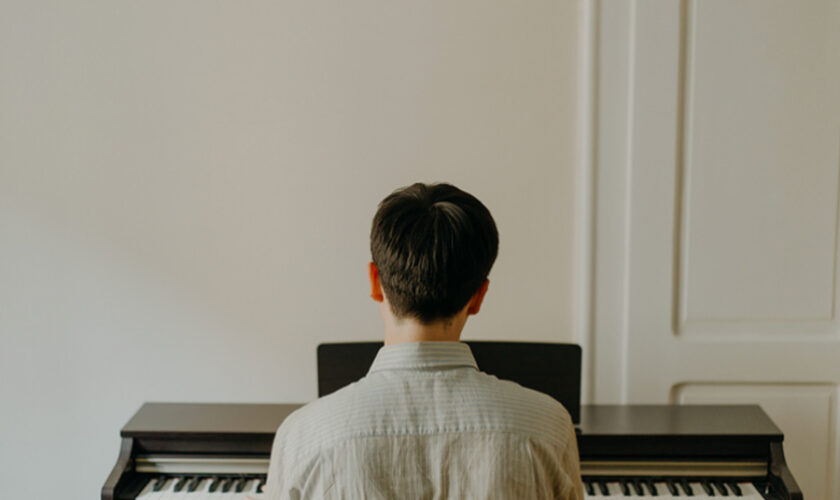
Some learners hit plateaus simply because their surroundings do not encourage sustained practice. A quiet corner, a stable bench and predictable practice hours shape your mindset long before the first note is played. Give the space a moment of care so distractions fade.

This is also where the mindset from earlier music theory lessons in Singapore can help. Understanding structure in music nudges you to build structure in your learning space, too. A small tweak in your environment can spark renewed enthusiasm and shift the quality of your sessions more than expected.

Key Takeaways

Learning the piano becomes steadier when you avoid hasty assumptions, strengthen your foundations and create room for practical insights. Remember how a piano trial lesson offers clarity and keeps your routine aligned with your goals. Keep your expectations flexible so each milestone feels meaningful. Progress strengthens when small habits and a supportive environment work together.

Contact Huckleberry Music to arrange your next step in learning especially when it comes to music theory.

read more