
close

Early childhood education

Education

Is a Faith Preschool a Short-Term Choice or a Long-Term Philosophy?

Is a Faith Preschool a Short Term Choice or a Long Term Philosophy

Key Takeaways

  • A faith preschool is often chosen for its values, but its influence typically extends beyond the preschool years.
  • Enrolling in a preschool with a faith-based approach reflects long-term priorities around character, behaviour, and worldview for many families.
  • Faith-based early education can shape learning habits, social development, and family involvement well past the early years.
  • Whether it is a short-term or long-term choice depends on parental intent, not just curriculum design.

Introduction

Once parents consider a faith preschool, the decision is often framed as a practical one: early exposure, moral grounding, or proximity to home. Yet over time, many families begin to realise that a faith preschool is rarely a neutral or temporary educational choice. The question, especially for parents evaluating a preschool in Jurong West, becomes whether faith-based early education is simply a starting point or the foundation of a broader educational philosophy that continues to shape a child’s development long after preschool ends.

Why Parents Initially Choose a Faith Preschool

The first motivation for many families is values alignment. A faith preschool offers an environment where moral language, behavioural expectations, and daily routines are shaped by shared beliefs. Parents may not initially be thinking ten years ahead; they may simply want consistency between home values and school expectations during a child’s formative years.

Practical considerations also play a role. A preschool that integrates faith-based principles may be appealing due to location, community familiarity, or referrals from other families. The decision, at this stage, can feel short-term, centred on safety, trust, and early childhood care rather than long-range educational planning.

The Long-Term Impact of Early Values Education

While academic content in preschool is foundational, values-based learning often leaves a deeper and more lasting imprint. Concepts such as responsibility, respect for others, gratitude, and self-regulation are woven into daily interactions rather than treated as standalone lessons in a faith preschool.

Over time, children internalise these expectations. The way they respond to authority, interact with peers, and approach learning tasks is shaped early. Even if a child later transitions to a secular primary school, the behavioural frameworks established in preschool often remain. Faith-based early education, in this sense, functions less as a temporary exposure and more as an early blueprint for learning behaviour and social engagement.

Faith Preschool as a Family Philosophy, Not Just a School Choice

A faith preschool becomes an extension of household culture for many families. Parent involvement, communication styles, and expectations around discipline and empathy tend to align closely with the school’s approach. This alignment often influences future decisions, including primary school selection, enrichment activities, and how parents frame discussions about ethics and responsibility at home.

The preschool experience does not end at graduation in these cases. Instead, it reinforces a long-term educational philosophy where learning is seen as character formation as much as academic progression. Parents who value this continuity often actively seek similar principles in later schooling stages.

When a Faith Preschool Functions as a Short-Term Option

That said, not every family approaches faith-based preschooling with a long-term mindset. Some parents view a faith preschool as a supportive environment for early childhood only, with no intention of continuing faith-centred education later. This approach may be due to practical constraints, evolving beliefs, or a preference for different academic structures in primary school.

The faith preschool, in such cases, serves as a transitional environment. While it still provides benefits in emotional regulation and social behaviour, its role is more contained. The long-term influence depends largely on how intentionally parents reinforce or deprioritise those early values once the child moves on.

Conclusion

Whether a faith preschool is a short-term choice or a long-term educational philosophy ultimately depends on parental intent and follow-through. Enrolling in a faith preschool often marks the beginning of a consistent, values-driven learning journey for families who see education as an extension of values. However, for others, it remains a practical early-years decision. Regardless, in either case, the impact of a faith preschool—particularly within a community-focused setting like a preschool in Jurong West—tends to reach further than many parents initially expect.

Contact Little Seeds Preschool and expose your child to values, structure, and learning habits that shape them well beyond preschool

read more
Education

Preschool Curriculum Trends in Katong and East Coast Singapore

Preschool Curriculum Trends in Katong and East Coast Singapore

Preschool education is constantly evolving to meet the developmental needs of young learners and parents’ expectations. In Katong and East Coast Singapore, preschools are embracing emerging trends to provide a nurturing environment for children. Below are the key trends shaping preschool curriculums in these areas.

Emphasis on Inquiry-Based Learning

Preschools in Katong and East Coast Singapore are adopting inquiry-based learning approaches. These approaches encourage children to ask questions, explore their surroundings, and engage in hands-on activities. This method shifts the focus from rote memorisation to active participation, fostering curiosity and critical thinking skills in children. Inquiry-based curriculums are particularly beneficial in preparing preschoolers for primary education by enhancing their problem-solving abilities.

Integration of Outdoor Learning

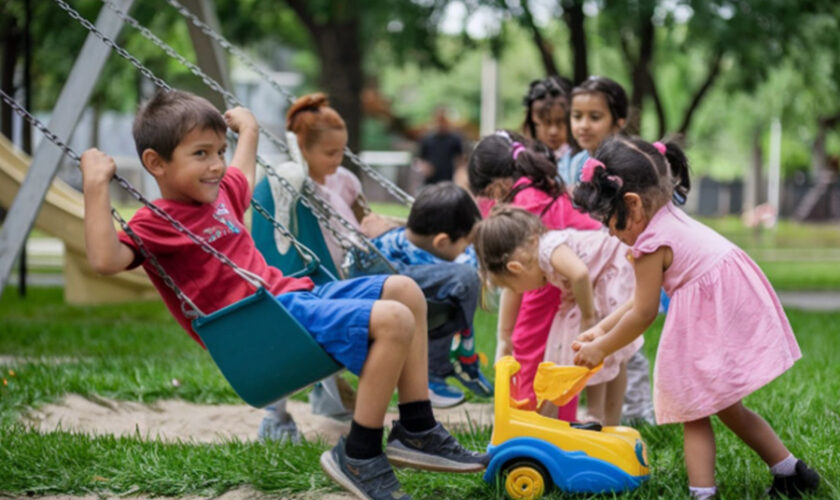
Outdoor learning has become a significant trend in preschools across the region. Educators incorporate outdoor sessions into the curriculum, recognising the importance of physical activity and nature exploration. This improves motor skills and health and instils environmental awareness from an early age. Katong and East Coast Singapore, with their access to parks and green spaces, provide an ideal setting for preschools to implement outdoor learning effectively.

Focus on Bilingual Education

Language acquisition is a cornerstone of early childhood education, and preschools in these neighbourhoods strongly emphasise bilingual education. Integrating English and Mandarin into daily activities gives children a foundation in both languages, which is essential for their academic journey. The approach ensures that children are equipped to thrive in Singapore’s multilingual society while fostering cognitive flexibility.

Adoption of STEAM Education

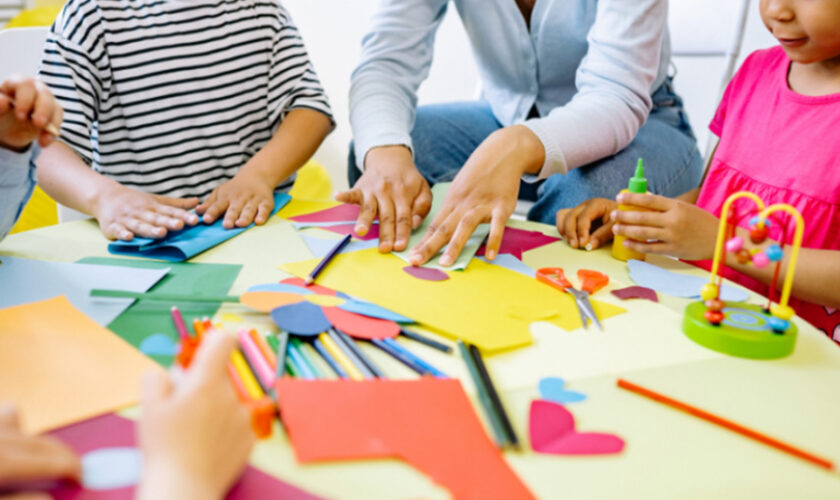
STEAM (Science, Technology, Engineering, Arts, and Mathematics) education is no longer limited to older students. Preschools in Katong and East Coast Singapore are incorporating STEAM elements to introduce children to foundational concepts in an age-appropriate manner. Activities such as building simple structures, engaging with essential coding toys, and exploring artistic expressions enable children to develop creativity and problem-solving skills early on.

Social-Emotional Learning Integration

Developing social and emotional skills is gaining prominence in preschool curriculums. Teachers focus on helping children understand and manage emotions, build relationships, and develop empathy. These skills are integrated into daily activities and playtime, ensuring children grow up emotionally resilient and socially adept. This trend reflects the understanding that academic success is deeply linked to emotional well-being.

Customised Learning Spaces

Preschools in these areas are designing flexible learning spaces conducive to active exploration. Classrooms are increasingly equipped with modular furniture and open layouts to accommodate group activities, independent exploration, and collaborative learning. This physical environment supports these preschools’ dynamic and interactive teaching methods.

Collaboration with Families

Preschools in Katong and East Coast Singapore recognise the importance of family involvement in a child’s learning journey. Schools actively engage parents through workshops, regular updates, and take-home activities. This collaboration ensures that the learning process extends beyond the classroom and aligns with the child’s home environment, creating a holistic approach to early education.

Sustainability Education

In line with Singapore’s national push for sustainability, preschools in this region are incorporating environmental education into their curriculums. Recycling, gardening, and conservation projects introduce children to sustainable practices. These lessons are designed to instil a sense of responsibility towards the environment, setting the foundation for eco-conscious habits in the future.

Technology Integration

Technology is becoming integral to preschool education, even at an early age. Preschools in Katong and East Coast Singapore use educational technology such as interactive whiteboards, tablets, and age-appropriate apps to support learning. While screen time is carefully monitored, these tools make lessons engaging and accessible, particularly in areas such as literacy and numeracy.

Holistic Development Programs

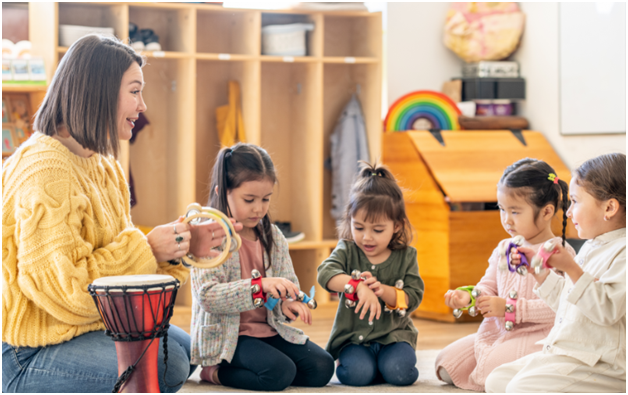
Finally, the curriculums in Katong and East Coast Singapore preschools increasingly focus on holistic development. Beyond academics, these programs aim to nurture physical health, artistic abilities, and moral values. Activities such as music, dance, and moral storytelling are interwoven into daily schedules to provide young learners with a balanced and comprehensive learning experience.

Preschools in Katong and East Coast Singapore continue to innovate and adapt their curriculums to meet the needs of children and parents alike. By embracing these trends, they ensure that children are well-prepared for their educational journey and future challenges.

For more information, contact Little Seeds Preschool today.

read more
Education

From Student to Teacher: How a Certificate in Early Childhood Education Changes Lives

The journey from student to teacher is often transformative, especially in early childhood education. Earning a certificate in early childhood education equips you with the knowledge and skills to shape young minds. It offers a rewarding career where you can make a real difference. This article explores how certification can change lives, not just for the educators but also for the children they teach.

Opens the Door to a Fulfilling Career

One of the most immediate benefits of obtaining a certificate in early childhood education is the ability to pursue a rewarding career as a kindergarten teacher or early childhood educator. With this qualification, you are prepared to be responsible for shaping young children’s learning experiences, a critical stage in their cognitive and emotional development. Early childhood education courses provide a solid foundation in child psychology, pedagogy, and classroom management, readying you to handle the challenges and joys of the profession.

Empowers Educators with Practical Skills

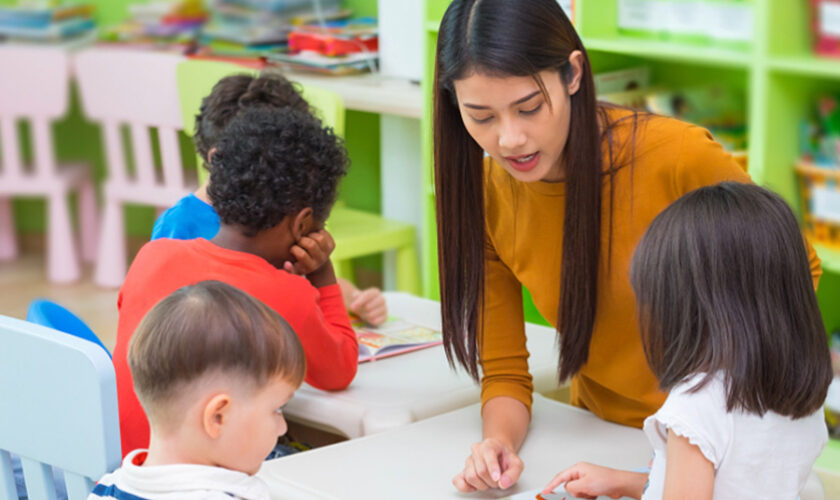
Early childhood education is far more than babysitting; it involves nurturing children’s development through structured learning and play. Courses in this field equip students with the necessary tools to create stimulating and age-appropriate learning environments. From lesson planning to behaviour management techniques, a certificate offers the practical skills to foster an enriching classroom experience. This hands-on approach ensures that teachers can adapt to the diverse needs of children, making the learning process enjoyable and effective.

Enhances Personal Growth and Confidence

Transitioning from student to teacher involves significant personal growth. Enrolling in kindergarten teacher courses helps aspiring educators cultivate patience, empathy, and practical communication skills. As you engage with children, colleagues, and parents, you become more confident in your abilities, learning how to navigate complex interactions and address the concerns of different stakeholders. These personal developments extend beyond the classroom, helping educators grow as individuals and professionals.

Provides Career Advancement Opportunities

For those already working in the education sector, a certificate in early childhood education offers a path to career advancement. It opens possibilities to specialise in specific areas such as special education or educational leadership. With additional qualifications, teachers can be head teachers, curriculum developers, or even centre managers. Early childhood education courses are also a stepping stone towards further academic achievements, including diplomas or degrees, which can further enhance career prospects.

Fosters Lifelong Learning and Adaptability

Education is an evolving field, and obtaining a certificate helps educators stay ahead of trends and developments. Early childhood education courses emphasise lifelong learning, encouraging teachers to remain adaptable and open to new teaching methods. In today’s digital age, educators must incorporate technology into their classrooms. With a strong foundation from their studies, teachers can integrate digital tools effectively, providing children with a balanced education that embraces traditional and modern teaching practices.

Inspires the Next Generation of Learners

As a qualified early childhood educator, you play a crucial role in a child’s formative years. The knowledge and skills gained through kindergarten teacher courses enable you to inspire curiosity and a love for learning in your students. You have the opportunity to ignite their imaginations, helping them develop critical thinking and problem-solving skills. This lasting impact ensures that children are well-prepared for their future educational journeys, making the work of an early childhood educator deeply satisfying.

Builds Stronger Communities

Beyond individual growth, the ripple effect of quality early childhood education can be seen in more robust, more cohesive communities. Teachers who have completed their certification are contributing to children’s education and actively participating in building a better future for society. Early childhood education encourages inclusion, diversity, and equal opportunities for all children, ensuring no one is left behind. In this way, teachers help create a foundation for children to grow into well-rounded, responsible adults who contribute positively to their communities.

Improves Emotional Well-Being for Teachers and Children

Working with young children is often emotionally rewarding. Teachers who have completed early childhood education courses are better equipped to manage the emotional needs of their students, fostering a nurturing environment where children feel safe and supported. This emotional well-being extends to the teachers, as they enjoy witnessing their students’ growth and development. The bond formed between teacher and student is a special one, often making the daily challenges of the job worthwhile.

Offers Flexibility in Career Choices

A certificate in early childhood education does not limit you to one specific role. The skills and knowledge gained from early childhood education courses are transferable to various settings, including private kindergartens, public schools, and community centres. Teachers can also choose to specialise in art education, language development, or working with children with special needs. This flexibility allows educators to shape their careers according to their interests and goals.

Makes a Lasting Impact on Society

The long-term effects of early childhood education cannot be overstated. By obtaining a certificate in this field, you are making a significant contribution to society’s future. Educators play a vital role in moulding the leaders of tomorrow, ensuring that children receive a strong foundation in their early years. Through your teaching, you have the power to influence future generations, creating a lasting legacy that extends far beyond the classroom.

In conclusion, a certificate in early childhood education does more than open doors to employment; it offers personal fulfilment, professional growth, and the opportunity to make a lasting difference. If you are passionate about shaping the future, consider taking the next step to becoming an early childhood educator.

For more information, contact Asian International College today.

read more