

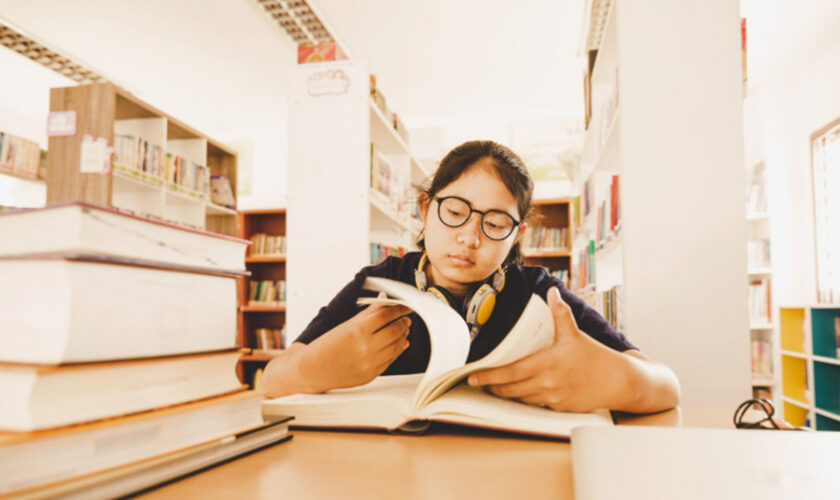
Academic pressure around Chinese rarely arrives all at once at the secondary level. It builds gradually as texts become denser, writing expectations sharpen, and assessments demand interpretation rather than recall. Families often realise something has shifted when effort no longer translates cleanly into results. At that point, the search for a Chinese language centre in Singapore begins, driven by concern rather than long-term planning. Decisions about secondary Chinese tuition are then shaped by beliefs formed during primary school, even though the learning context has changed. These assumptions influence enrollment choices, expectations of improvement, and how progress is measured. When left unexamined, they do not prevent hard work, but they quietly cap how effective that work can be.
1. Secondary Chinese Tuition Is Only About Exam Preparation
A common assumption is that secondary Chinese tuition exists purely to prepare students for tests. This framing reduces the role of tuition to short-term score management. While assessments remain important, secondary-level Chinese places greater emphasis on comprehension depth, argument clarity, and precise expression. A Chinese language centre in Singapore typically supports exam readiness alongside language application, ensuring students can handle unfamiliar passages and varied writing prompts. When tuition revolves only around past-year questions, students may perform adequately in practice but struggle when assessment formats shift or language demands increase.
2. Students Who Did Well In Primary School Will Adjust Easily
Strong primary results often create confidence that adjustment will be smooth. In reality, the transition to secondary Chinese introduces longer texts, abstract themes, and stricter expectations for sentence accuracy. Vocabulary must be applied with nuance rather than recognition. Secondary Chinese tuition helps bridge this shift by reinforcing foundational language skills while introducing more complex structures. Assuming automatic adjustment delays intervention, allowing small gaps to widen even among students who previously performed well.
3. Listening And Oral Skills Matter Less In Secondary Years
As written components take on greater weight, some families deprioritise listening and oral practice. This creates an imbalance in language development. Listening comprehension supports accurate interpretation, while oral expression reinforces sentence rhythm and vocabulary recall. A Chinese language centre in Singapore integrates these components to strengthen overall competence. Secondary Chinese tuition that sidelines listening and speaking limits students’ ability to internalise patterns that support stronger writing and reading comprehension.
4. More Practice Papers Always Lead To Better Results
Practice volume feels tangible, which makes it an attractive measure of progress. However, repeated papers without targeted correction tend to reinforce existing habits rather than improve them. Secondary Chinese tuition is most effective when practice is paired with detailed analysis, feedback, and revision. A Chinese language centre in Singapore focuses on identifying why errors occur and how to correct them systematically. Without this approach, students may work harder while seeing little improvement, leading to frustration and fatigue.
5. Tuition Pace Should Match School Speed Exactly
Some parents expect tuition to mirror school pacing closely, believing alignment ensures relevance. This overlooks the role of reinforcement and clarification. School lessons often move quickly due to syllabus pressure, leaving limited time to address confusion. Secondary Chinese tuition may deliberately slow down certain areas to strengthen understanding before advancing. A Chinese language centre in Singapore adjusts pacing based on student needs rather than syllabus speed alone. Matching school tempo without adjustment risks carrying unresolved gaps forward.
6. Confidence Equals Mastery At Secondary Level
Visible participation is often mistaken for mastery. Some students speak confidently but struggle with composition structure or nuanced interpretation. Others appear reserved while processing language deeply. Secondary Chinese tuition evaluates progress through the quality of application rather than classroom presence alone. A Chinese language centre in Singapore tracks how students organise arguments, apply vocabulary accurately, and respond to textual demands. Equating confidence with competence can cause critical weaknesses to go unnoticed.
Conclusion
At the secondary level, Chinese learning becomes less about volume and more about control, precision, and adaptability. Tuition is most effective when it strengthens how students interpret, structure, and apply language across unfamiliar contexts. Viewing progress through this lens shifts attention away from surface activity toward sustained capability. This perspective allows secondary Chinese tuition to function as a stabilising academic support rather than a reactive response to pressure.
To learn more about selecting a Chinese language school in Singapore and how secondary Chinese instruction promotes long-term language proficiency beyond surface performance, get in touch with Tien Hsia Language School.