

close

chinese education

Tutoring

6 Common Misconceptions About Secondary Chinese Tuition Choices

6 Common Misconceptions About Secondary Chinese Tuition Choices

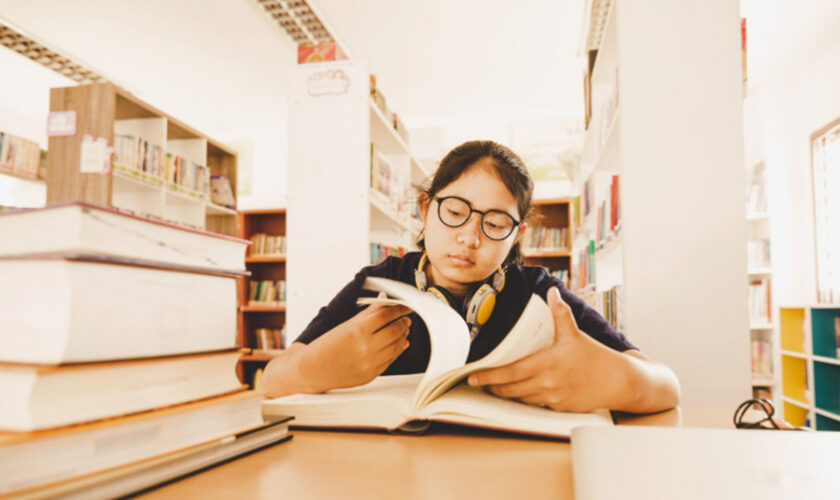
Academic pressure around Chinese rarely arrives all at once at the secondary level. It builds gradually as texts become denser, writing expectations sharpen, and assessments demand interpretation rather than recall. Families often realise something has shifted when effort no longer translates cleanly into results. At that point, the search for a Chinese language centre in Singapore begins, driven by concern rather than long-term planning. Decisions about secondary Chinese tuition are then shaped by beliefs formed during primary school, even though the learning context has changed. These assumptions influence enrollment choices, expectations of improvement, and how progress is measured. When left unexamined, they do not prevent hard work, but they quietly cap how effective that work can be.

1. Secondary Chinese Tuition Is Only About Exam Preparation

A common assumption is that secondary Chinese tuition exists purely to prepare students for tests. This framing reduces the role of tuition to short-term score management. While assessments remain important, secondary-level Chinese places greater emphasis on comprehension depth, argument clarity, and precise expression. A Chinese language centre in Singapore typically supports exam readiness alongside language application, ensuring students can handle unfamiliar passages and varied writing prompts. When tuition revolves only around past-year questions, students may perform adequately in practice but struggle when assessment formats shift or language demands increase.

2. Students Who Did Well In Primary School Will Adjust Easily

Strong primary results often create confidence that adjustment will be smooth. In reality, the transition to secondary Chinese introduces longer texts, abstract themes, and stricter expectations for sentence accuracy. Vocabulary must be applied with nuance rather than recognition. Secondary Chinese tuition helps bridge this shift by reinforcing foundational language skills while introducing more complex structures. Assuming automatic adjustment delays intervention, allowing small gaps to widen even among students who previously performed well.

3. Listening And Oral Skills Matter Less In Secondary Years

As written components take on greater weight, some families deprioritise listening and oral practice. This creates an imbalance in language development. Listening comprehension supports accurate interpretation, while oral expression reinforces sentence rhythm and vocabulary recall. A Chinese language centre in Singapore integrates these components to strengthen overall competence. Secondary Chinese tuition that sidelines listening and speaking limits students’ ability to internalise patterns that support stronger writing and reading comprehension.

4. More Practice Papers Always Lead To Better Results

Practice volume feels tangible, which makes it an attractive measure of progress. However, repeated papers without targeted correction tend to reinforce existing habits rather than improve them. Secondary Chinese tuition is most effective when practice is paired with detailed analysis, feedback, and revision. A Chinese language centre in Singapore focuses on identifying why errors occur and how to correct them systematically. Without this approach, students may work harder while seeing little improvement, leading to frustration and fatigue.

5. Tuition Pace Should Match School Speed Exactly

Some parents expect tuition to mirror school pacing closely, believing alignment ensures relevance. This overlooks the role of reinforcement and clarification. School lessons often move quickly due to syllabus pressure, leaving limited time to address confusion. Secondary Chinese tuition may deliberately slow down certain areas to strengthen understanding before advancing. A Chinese language centre in Singapore adjusts pacing based on student needs rather than syllabus speed alone. Matching school tempo without adjustment risks carrying unresolved gaps forward.

6. Confidence Equals Mastery At Secondary Level

Visible participation is often mistaken for mastery. Some students speak confidently but struggle with composition structure or nuanced interpretation. Others appear reserved while processing language deeply. Secondary Chinese tuition evaluates progress through the quality of application rather than classroom presence alone. A Chinese language centre in Singapore tracks how students organise arguments, apply vocabulary accurately, and respond to textual demands. Equating confidence with competence can cause critical weaknesses to go unnoticed.

Conclusion

At the secondary level, Chinese learning becomes less about volume and more about control, precision, and adaptability. Tuition is most effective when it strengthens how students interpret, structure, and apply language across unfamiliar contexts. Viewing progress through this lens shifts attention away from surface activity toward sustained capability. This perspective allows secondary Chinese tuition to function as a stabilising academic support rather than a reactive response to pressure.

To learn more about selecting a Chinese language school in Singapore and how secondary Chinese instruction promotes long-term language proficiency beyond surface performance, get in touch with Tien Hsia Language School.
read more
Education

When to Hire Chinese Tutors: Identifying the Learning Hurdles Your Child Faces

When to Hire Chinese Tutors- Identifying the Learning Hurdles Your Child Faces

For many parents in Singapore, navigating the Chinese language curriculum can present significant challenges for their children. While the school system provides foundational instruction, specific learning hurdles often necessitate additional support. Identifying when to engage Chinese tutors is not merely about improving grades, but about addressing underlying difficulties in comprehension, oral communication, or written expression that impede a child’s overall proficiency and confidence. Early intervention from experienced Chinese tutors at a Mandarin preschool prevents these minor hurdles from escalating into substantial academic setbacks, ensuring the child develops a positive long-term relationship with the language.

Oral Communication and Confidence Gaps

One of the most immediate indicators that a child might benefit from Chinese tutors is a persistent reluctance or inability to communicate orally in Mandarin. This often manifests as shyness during oral presentations, difficulty answering questions in class, or a general avoidance of speaking Chinese even when prompted. While a child might understand passively, a lack of active oral participation signals a significant gap in fluency and confidence. The classroom setting, particularly with larger groups, might not provide sufficient one-on-one practice for a child to overcome this hurdle.

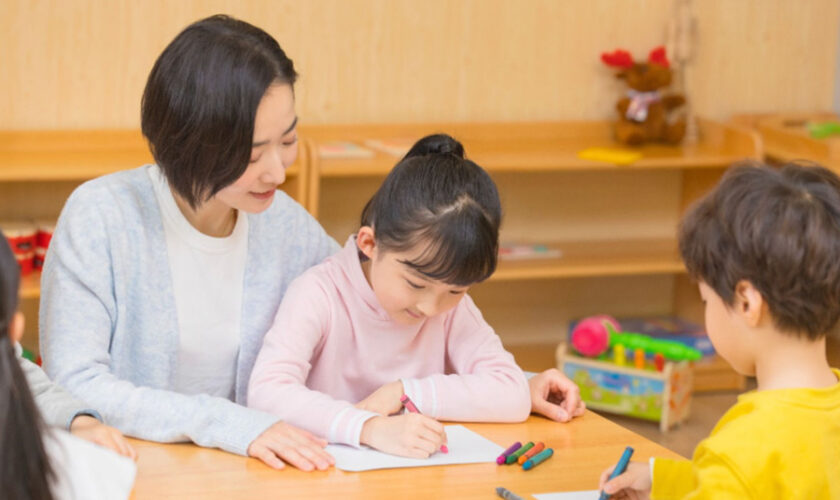
A dedicated tutor provides a safe, low-pressure environment where the child can practise speaking extensively without fear of judgment. This personalised interaction helps them refine pronunciation, expand conversational vocabulary, and build the confidence needed to engage actively. Even children who attended a Mandarin preschool might still struggle with the transition to more formal primary school oral examinations, making targeted tutoring essential to bridge this gap.

Comprehension and Reading Difficulties

Struggles with reading comprehension represent another critical hurdle. This involves an inability to understand the meaning of passages, interpret contexts, or answer comprehension questions effectively. Children might be able to recognise characters individually but struggle to make sense of them within a sentence or paragraph. This often points to a weak vocabulary base, insufficient exposure to varied texts, or a lack of effective reading strategies.

Chinese tutors can pinpoint the exact nature of these comprehension difficulties. They employ targeted strategies to build vocabulary through context, teach techniques for identifying keywords, and guide the child through inferential thinking necessary for deeper understanding. Unlike a general classroom setting, a tutor can spend dedicated time breaking down complex texts, thereby strengthening the child’s reading abilities, which are foundational for all other aspects of language learning.

Written Expression and Composition Challenges

As children progress through primary school, the demands for written expression in Chinese increase significantly, culminating in composition writing. Many children, even those with decent oral skills, struggle with constructing coherent sentences, applying correct grammar, and developing ideas logically in written Chinese. This often stems from a lack of exposure to diverse writing styles, an insufficient vocabulary for descriptive writing, or simply a fear of the blank page.

Experienced Chinese tutors work on these specific weaknesses. They introduce structured approaches to composition writing, helping children brainstorm ideas, organise their thoughts, and use a richer vocabulary. They provide immediate feedback on sentence construction and grammatical errors, which is difficult to achieve in a large class. Whether the child’s foundation was built in a Mandarin preschool or through home learning, a tutor provides the specific guidance needed to translate ideas into effective written Chinese, fostering both skill and confidence. For example, Hua Language Centre offers programmes specifically designed to overcome these common writing challenges.

5 Key Indicators for Engaging Chinese Tutors

  • Oral Reluctance – The child avoids speaking Mandarin and lacks confidence in class.
  • Persistent Low Scores – Consistently performing below average in comprehension or composition.
  • Difficulty with Homework – Requires excessive parental help for Chinese assignments.
  • Frustration/Dislike – Expresses strong aversion or anxiety towards learning Chinese.
  • Teacher Feedback – The school teacher highlights specific, ongoing language deficiencies.

Conclusion

Identifying the precise learning hurdles your child faces in Chinese is crucial for determining when to engage Chinese tutors. From oral communication to written expression, personalised support addresses these challenges directly, transforming potential struggles into sustained proficiency and a positive attitude towards the language.

Contact Hua Language Centre today to explore how our experienced Chinese tutors can provide targeted support.

read more